
Regional Horticultural and Training Station, Jachh Jachh (Nurpur), Kangra (HP)

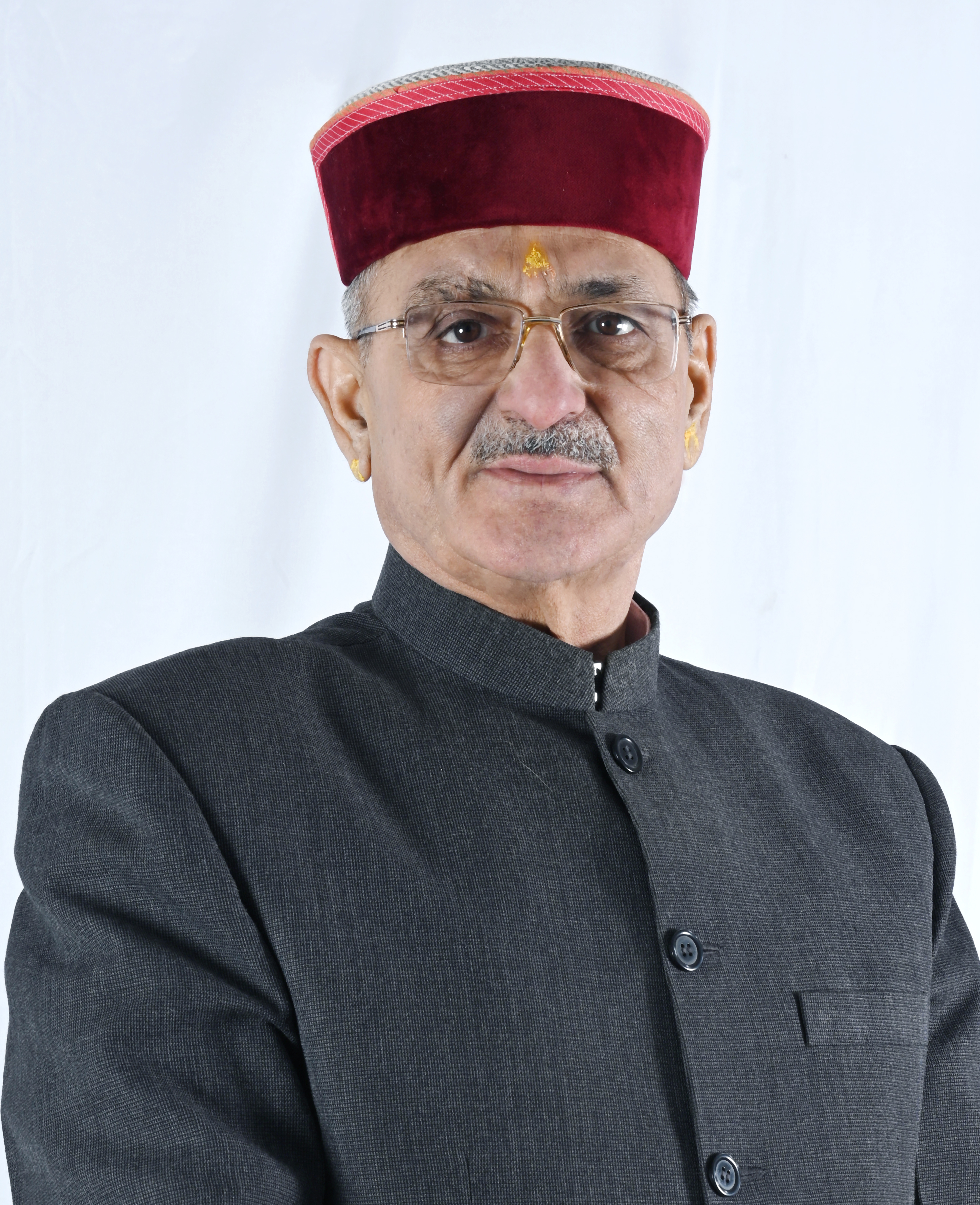
HON'BLE GOVERNOR
Hon'ble Governor HP

Sh. Kavinder Gupta

HON'BLE GOVERNOR HP

HON'BLE CHIEF MINISTER
Hon'ble Chief Minister HP

Sh. Sukhvinder Singh Sukhu

HON'BLE CHIEF MINISTER HP

🏛
VICE CHANCELLOR
Vice Chancellor

Dr. Harminder Singh Baweja

HON'BLE VICE CHANCELLOR

The Regional Horticultural Research Station, Jachh was established in 1987 after transfer of 62 acres of land from the Department of Agriculture and further strengthened with the inception of National Agricultural Research Project (NARP) during 1988-92 to undertake need based location specific research and extension programmes in sub-mountain low hill sub-tropical areas (Zone-I) of Himachal Pradesh. This zone comprises of districts Bilaspur, Hamirpur, Una and parts of district Chamba, Kangra, Solan and Sirmour. The Zone has only 16.40 per cent of the total geographical area of the state but is inhabited by 36.68 per cent of the total population and represents 49.78 per cent of the total cultivated areas and 71.75 per cent of total irrigated area of the state.

Climatically, this zone is highly suitable for growing of various tropical & sub-tropical fruits like Mango, Litchi, Citrus, Aonla, low chilling Peaches, Pear, Ber, Fig etc. Further, the climate in these hills being milder than the plains offers comparative advantages of growing vegetables like Tomato, Cucurbits, Radishes, Cole crops, Onion, Okra etc. more than once in a year over plains. Station is situated on Pathankot-Mandi National Highway at an altitude of 428 m amsl. The maximum temperature goes as high as 43.5˚ C and minimum as low as -0.1˚ C. The mean summer and winter temperatures average at 29.3˚ C and 13.6˚ C. The mean annual rainfall received by the area is 1500 mm.

Mandate

  • To serve as research and extension centre in low hills subtropical areas for improvement of the horticultural and forestry crops
  • To develop farming systems to increase and stabilize farm produce through effective use of natural and human resources.
  • To identify socio-economic constraints for horticulture and farm forestry development and evaluate means to overcome them.

Strengths

  • Infrastructure and irrigation facilities of propagation to raise healthy planting material of sub tropical fruit plants, vegetables, flowers, forest species and medicinal plants.
  • Sufficient land availability to conduct different demonstrations to disseminate the latest production technologies of growing fruits, vegetables, flowers, forest species, medicinal plants etc. to the farmer/growers.
  • Training hall with well equipped audio-visual conferencing facility for 40 participants
  • Farmer’s hostel facilities are available for 30 participants.
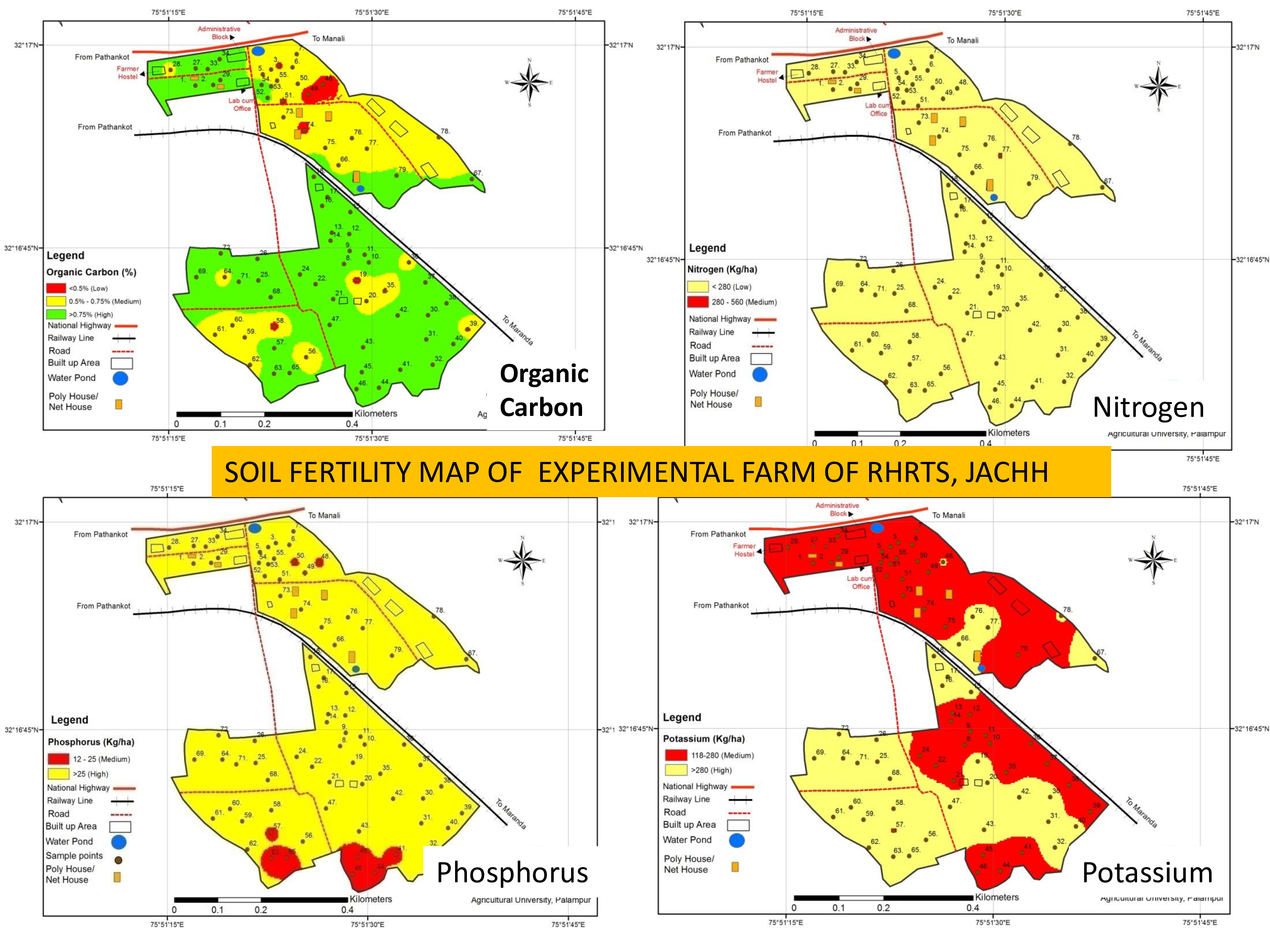
  • Soil testing laboratory facilities to assess the soil samples of low hill sub-tropical areas for site specific nutrient recommendations.
  • Well connected to Pathankot-Mandi national highway.

Research

Thrust Areas

  • Collection and conservation of germplasm of different sub-tropical fruits, vegetables and medicinal plants for effective varietal improvement programme.
  • Identification and introduction of new/ high value crops for growing in sub-tropical areas.
  • Assessment of soil quality parameters in fruit and vegetable crops under integrated nutrient management and natural farming modules.
  • Strengthening of existing infrastructure facilities to enhance mass multiplication of quality planting material so as to meet the ever increasing demand of farmers of the state.
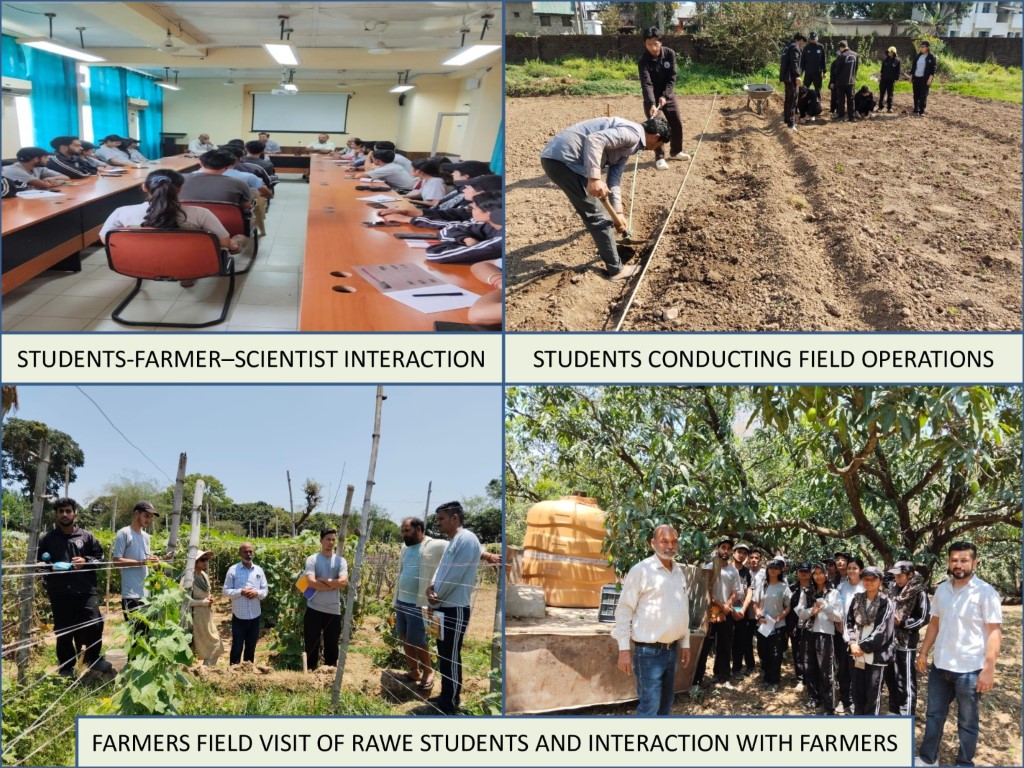
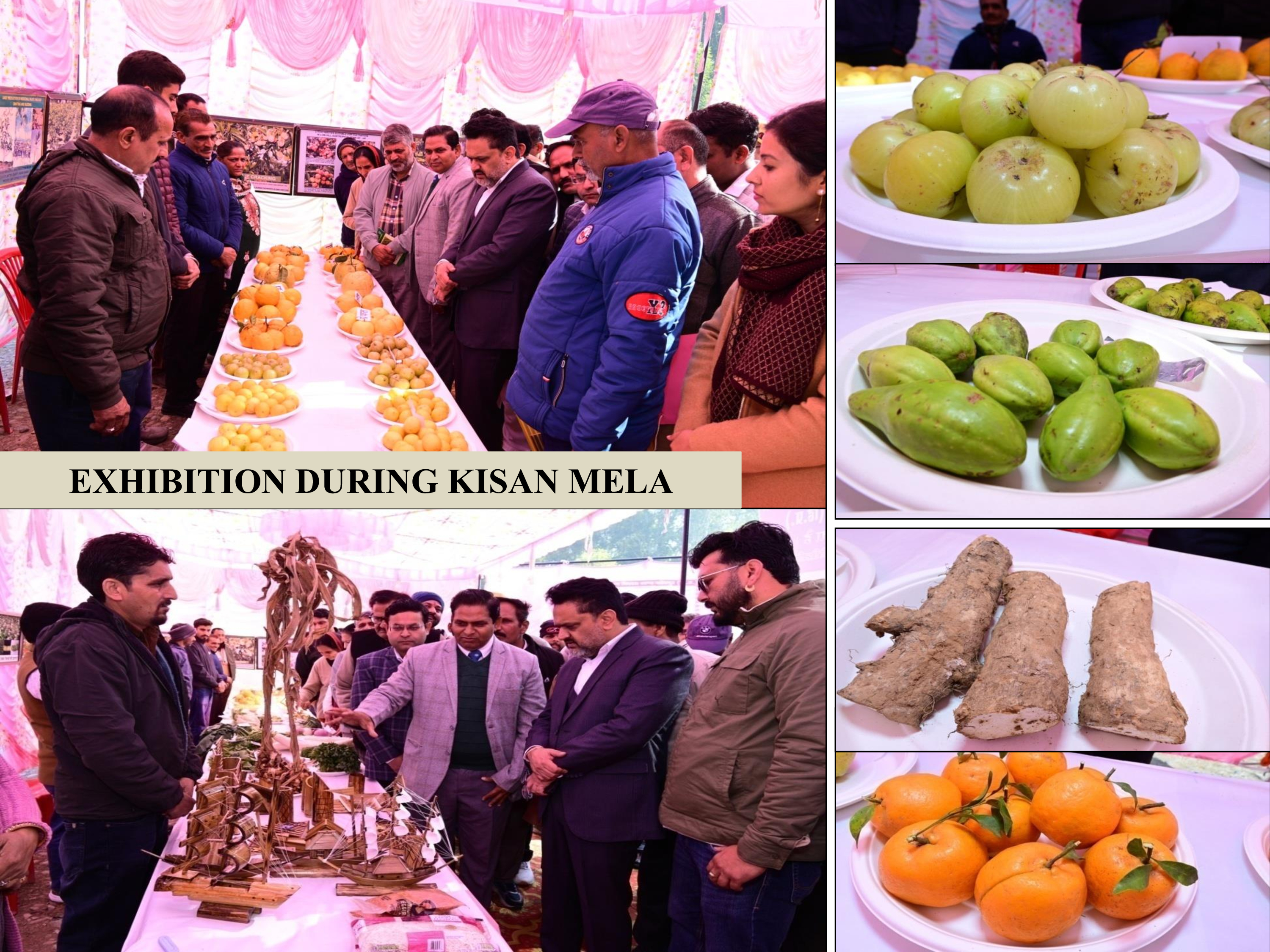
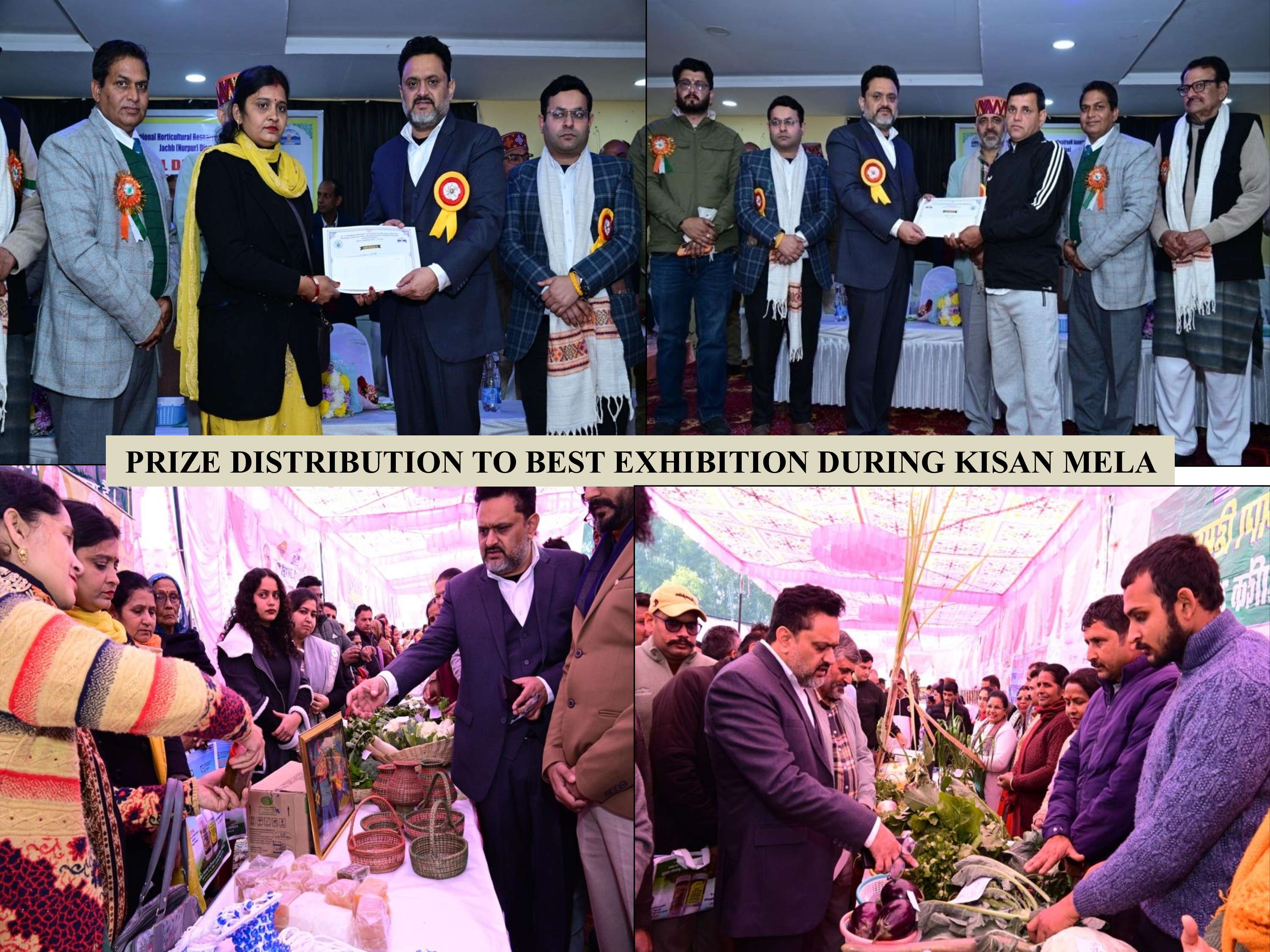
  • Transfer of technology for farmers and extension functionaries of Govt. departments through demonstrations, trainings, awareness camps, field days, kisan mela etc.
  • Front Line Demonstration on Avocado cultivation in Mid and low Hills of HP funded by MIDH.
  • Establishment of Demonstration units of Macademia Nut and standardization of Package of Practices in Himachal Pradesh funded by MIDH.
  • Establishment of Demonstration units of Dragon Fruit and standardization of Package of Practices in Himachal Pradesh funded by MIDH.
  • Production of qualityplanting stock of Terminalia chebula. T. bellerica, Reetha and Anola for carrying out and transfer of technology to stakeholders funded by JICA.
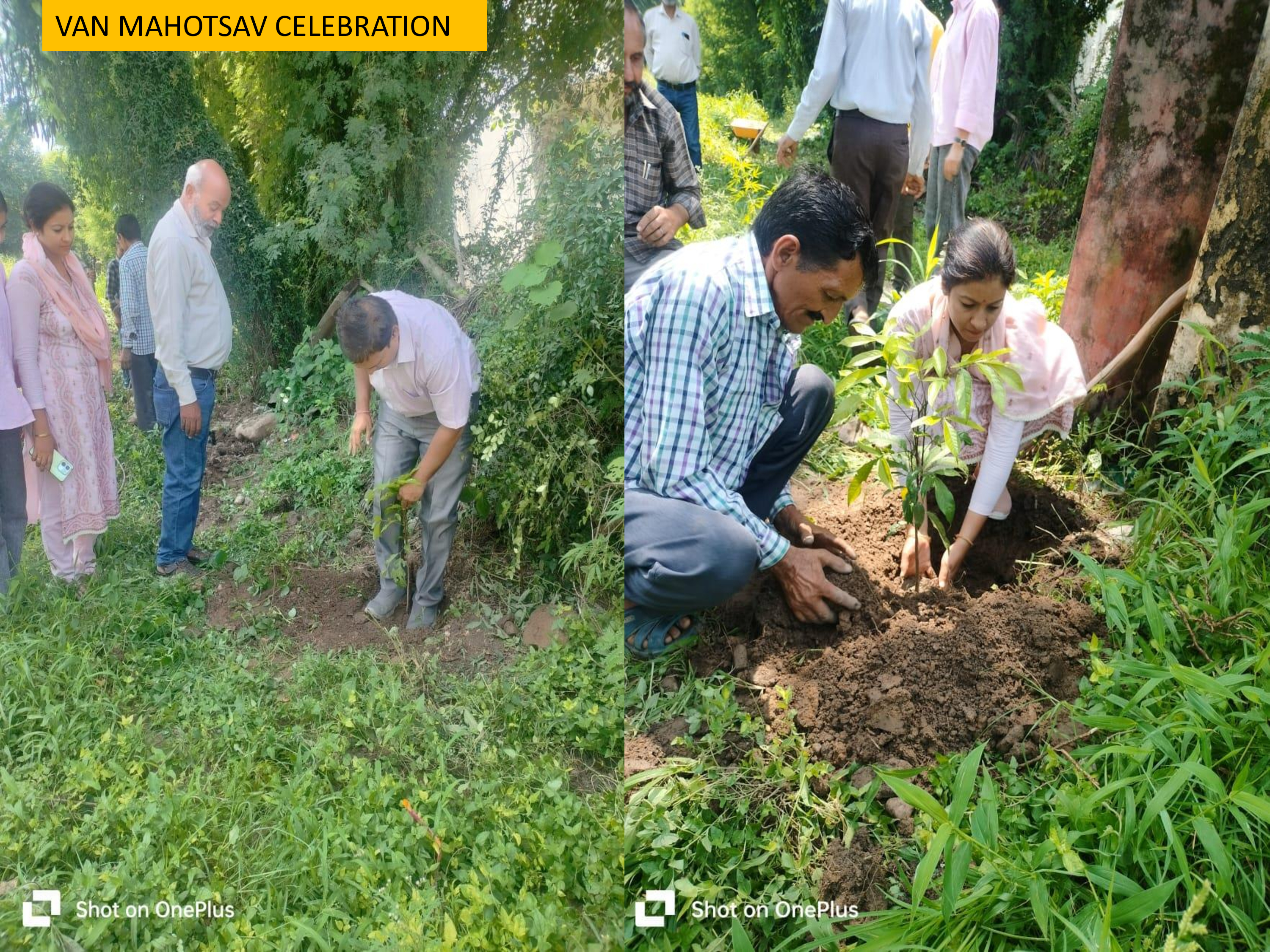
  • Agroforestry component of RKVY-cafeteria funded by GOI.
  • Bamboo mission under RKVY cafeteria funded by Department of Agriculture HP.

Technologies / Process developed
  • Mango improvement, propagation and production: Evaluation of mango germplasm identified Ratna for superior growth, Pairi for fruit quality, and Kesar for biochemical attributes, while seedling genotypes were classified for pickle, table, and sucking purposes. Additionally, NAA @ 10 ppm application standardized side veneer grafting with up to 60% graft success.
  • Rejuvenation and canopy management in fruit crops: Technologies for rejuvenation of senile mango and guava orchards and canopy management in Terminalia chebula (Harar) were standardized to enhance growth, yield, and orchard longevity.
  • Citrus genetic resources, propagation and nutrient management: Superior citrus genotypes including Kinnow, Daisy Mandarin, Sweet Orange and Baramasi Lemon were identified; citron variability was documented; propagation protocols through cuttings were standardized; and integrated nutrient management packages significantly improved growth, yield, fruit quality, and profitability in Kinnow mandarin.
  • Litchi germplasm evaluation and nutrient management: Litchi cultivar Shahi was identified as superior for yield and fruit quality, while integrated nutrient management involving RDF, FYM, vermicompost, Azotobacter and PSB significantly enhanced productivity and fruit quality of cv. Dehradun.
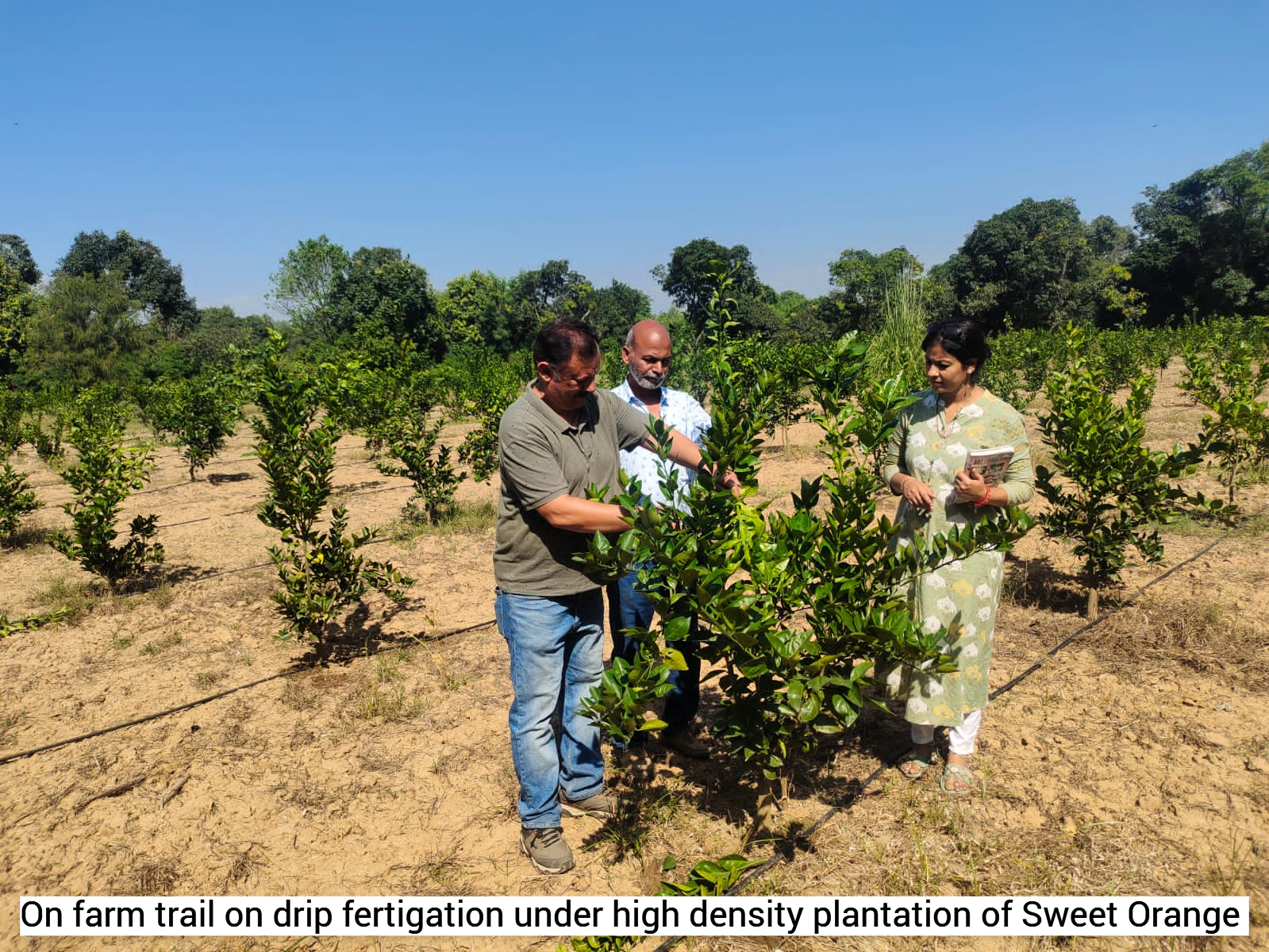
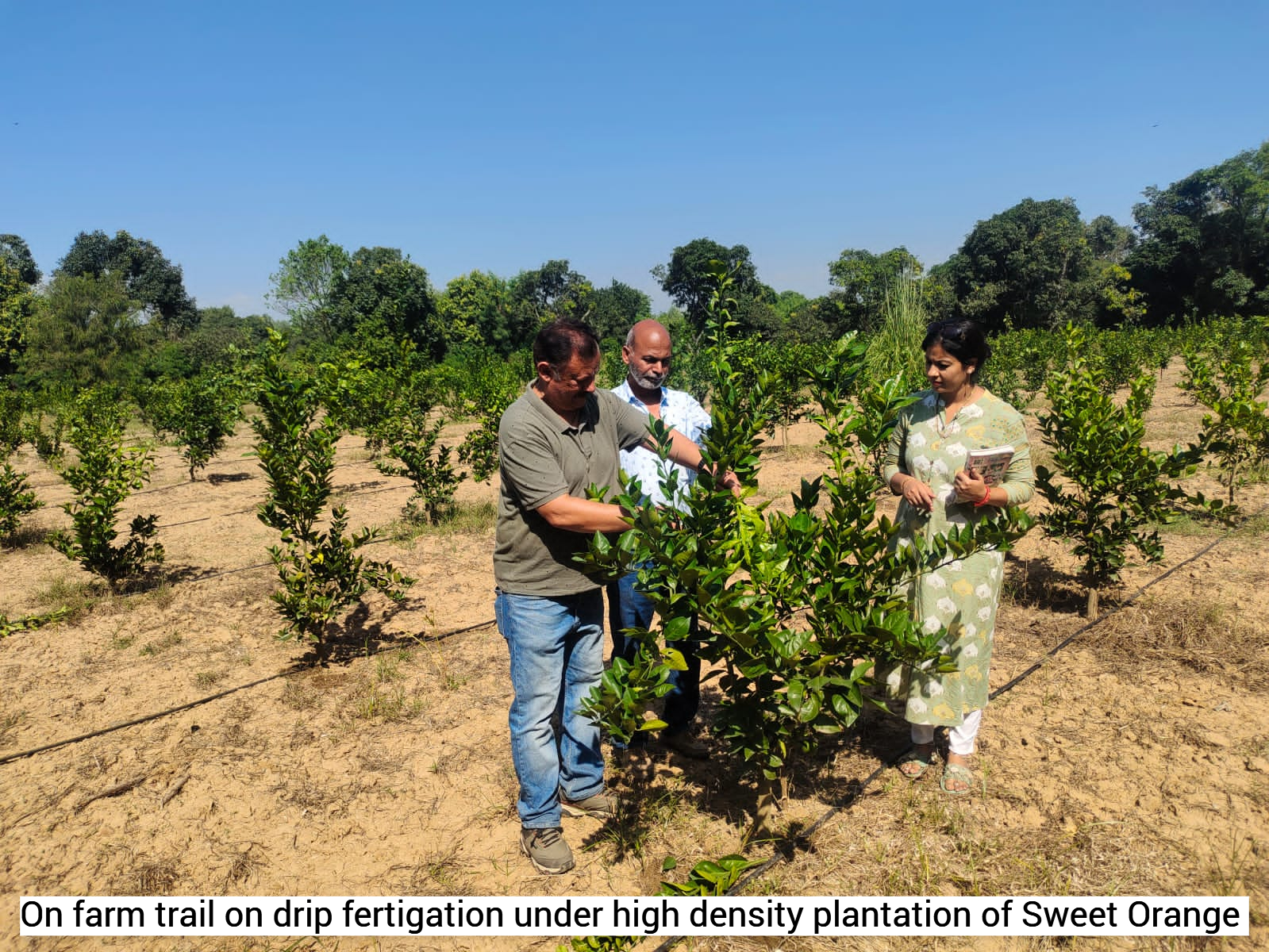
  • Water and nutrient management in fruit orchards: Irrigation scheduling at 120% evapotranspiration (ET) was standardized for high-density Amrapali mango. In Kinnow mandarin, fertigation studies revealed that 75% RDF through fertigation was the most economical nutrient management strategy, achieving yields comparable to higher fertilizer doses, improving fruit quality, saving fertilizer and profitability.
  • Cordia myxa improvement and metabolomic characterization: Six superior Cordia cultivars were developed and mass multiplication protocols standardized. Metabolomic profiling revealed high antioxidant activity, valuable bioactive compounds, amino acids, vitamins, and mineral content.
  • Mass multiplication technologies for underutilized crops: Standardized propagation technologies were developed for Dioscorea and Cordia myxa, while heat stratification techniques improved Harar (Terminalia chebula) seed germination up to 80%.
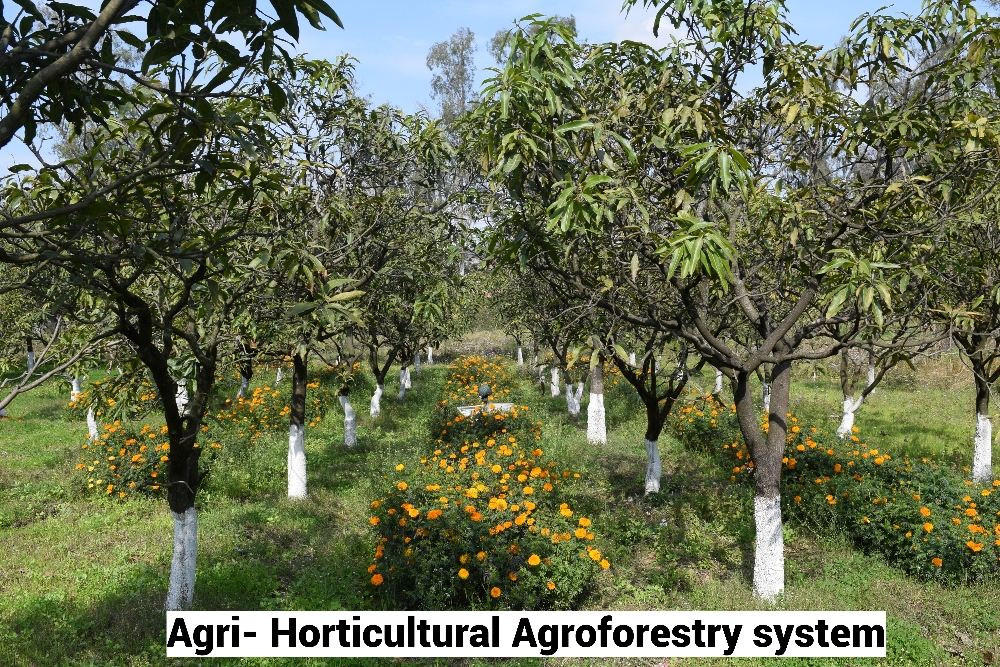
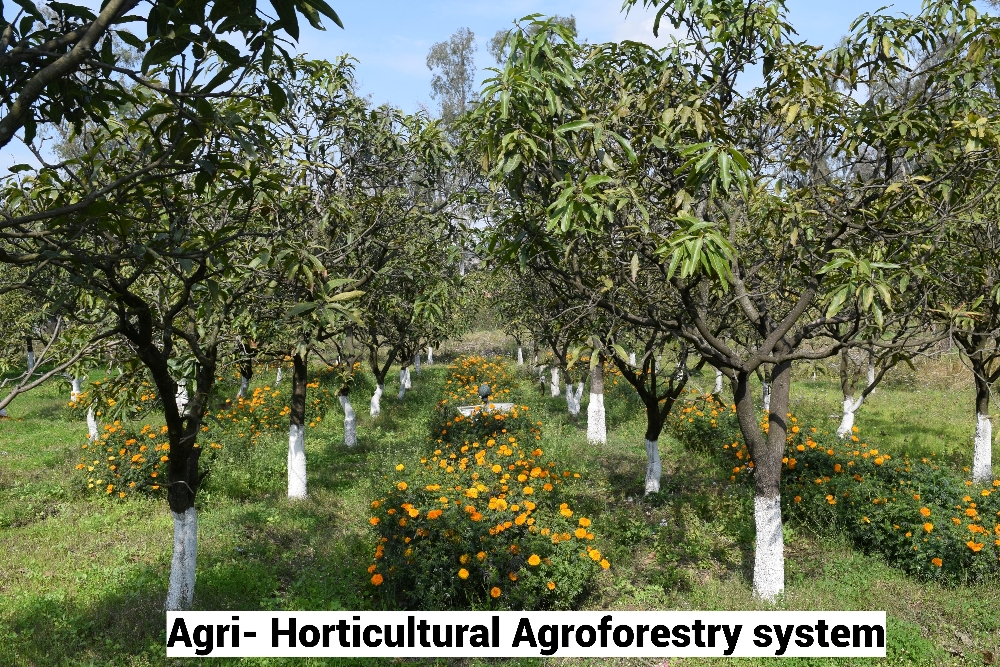
  • Agroforestry-based production systems: Guava, Aonla and Mango based agroforestry systems integrated with chamomile, tulsi and marigold significantly improved crop growth, biomass production, flowering, and overall system productivity.
  • Agroforestry and climate resilience studies: Silvipastoral systems recorded the highest carbon pool density (120.72 Mg ha⁻¹), demonstrating their potential for carbon sequestration and climate-smart land-use planning in low-hill regions.
  • Tree improvement and silvicultural management: Four promising Harar strains (JH-1 to JH-4) were selected from wild populations, sandalwood planting geometry was optimized, and poplar clone UHFP-24 was identified as the most productive clone for agroforestry plantations.
  • Soil fertility and crop nutrition assessment: Studies established strong relationships between soil nutrient availability and crop nutrient uptake in cauliflower-growing areas, providing a basis for site-specific nutrient management.
  • Land-use system evaluation and soil resource mapping: Assessment of different land-use systems revealed superior soil physical properties, water-holding capacity and carbon storage under horticulture, forestry and silvipastoral systems. Soil fertility mapping confirmed adequate macro- and micronutrient status across the research farm.
  • Integrated nutrient management technologies in vegetables: INM modules involving reduced RDF combined with organic manures and biofertilizers improved yield, quality and fertilizer-use efficiency in pea, cauliflower and bitter gourd.
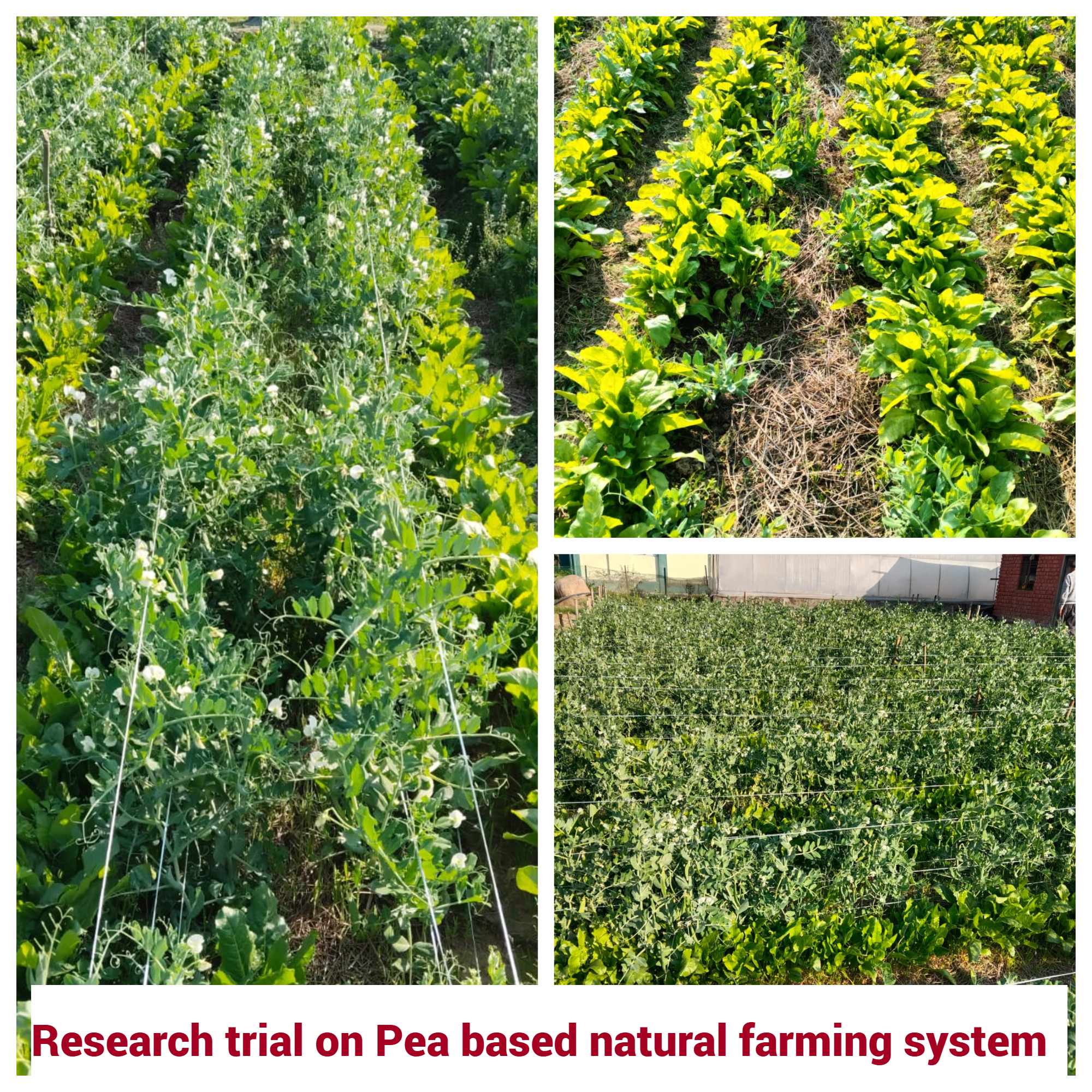
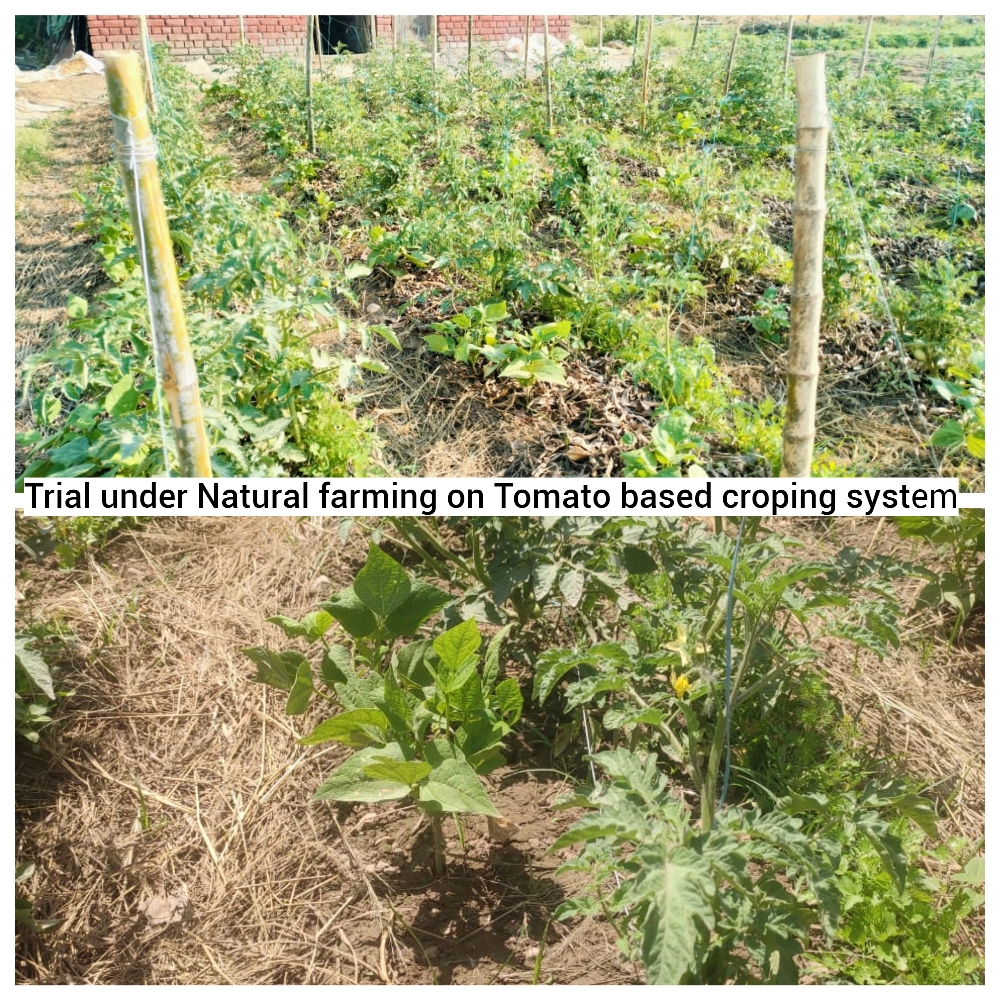
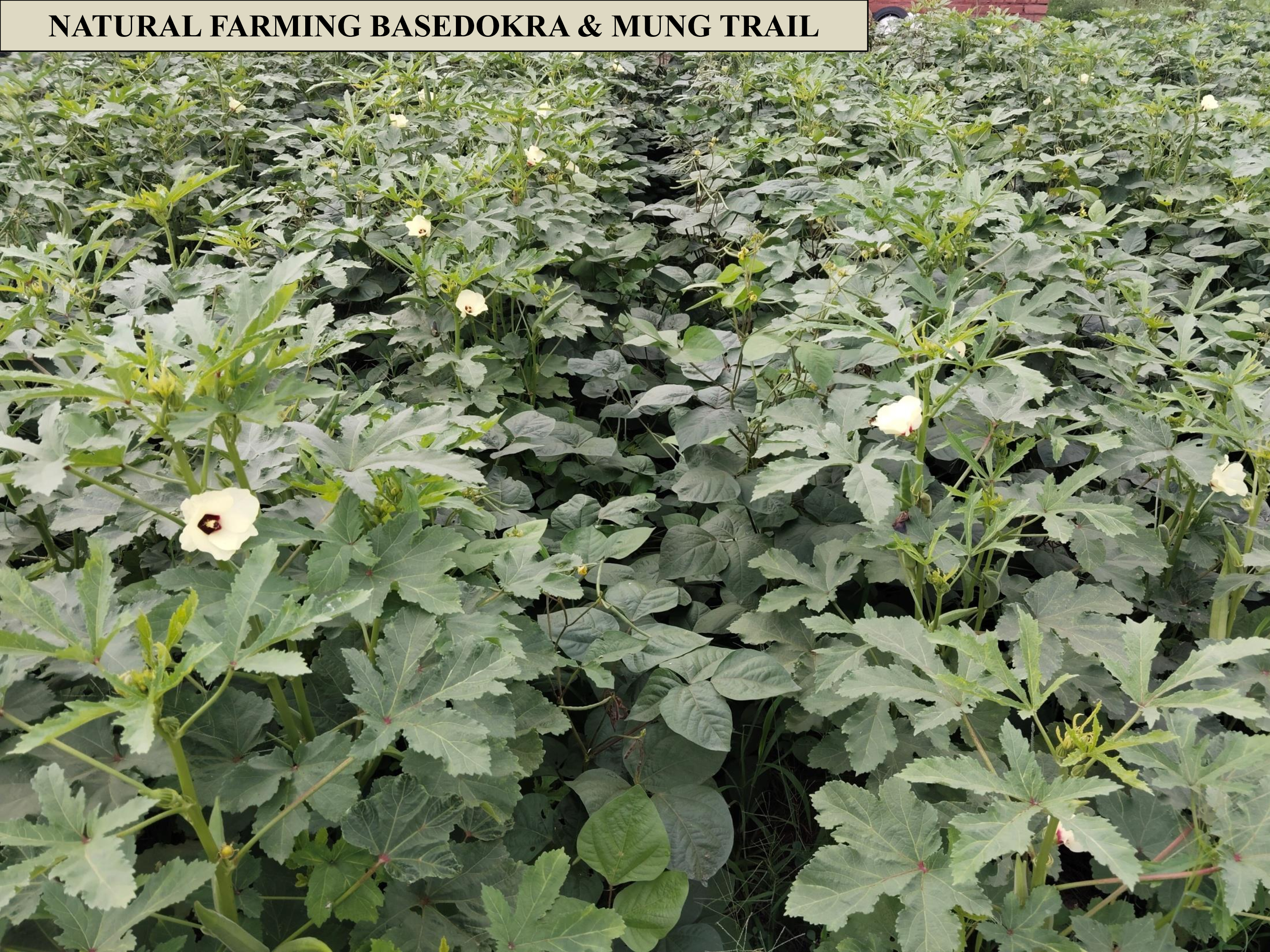
  • Natural farming technologies for vegetable production: Beejamrit, Ghanjeevamrit, Jeevamrit and FYM-based nutrient management packages significantly enhanced growth, yield, and quality of cauliflower, tomato, pea, okra and spinach under natural farming systems.
  • Production technology of Celastrus paniculatus has been developed for degraded soils.
  • Two improved vegetable varieties, Solan Adhiraj (Okra) and Solan Aadwik (Summer Squash), were developed.
  • Introduced new fruit crops/varieties like pusa series in Mango, Dragon fruit, Avocado Macdemia nut, Coffee etc.
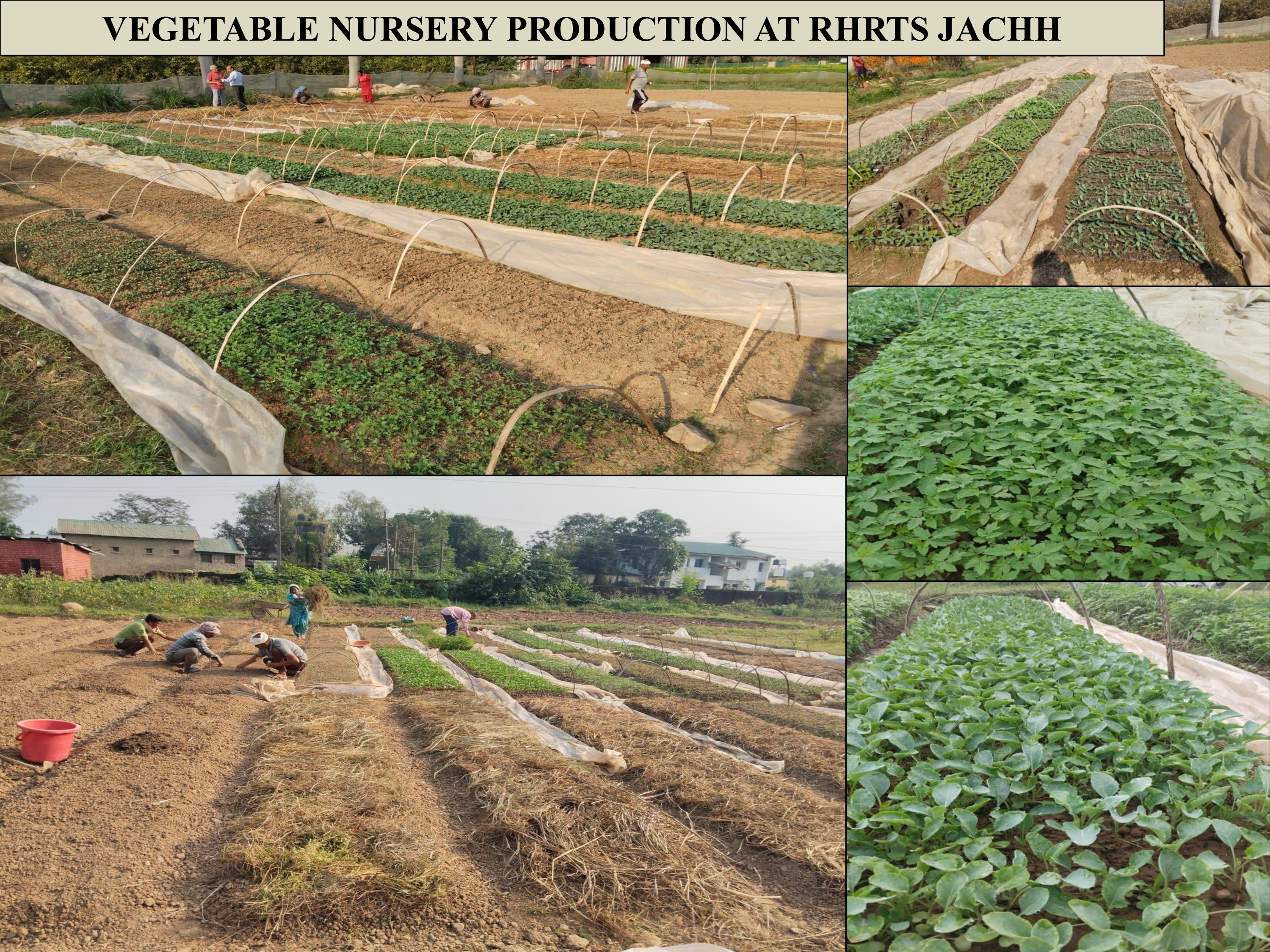
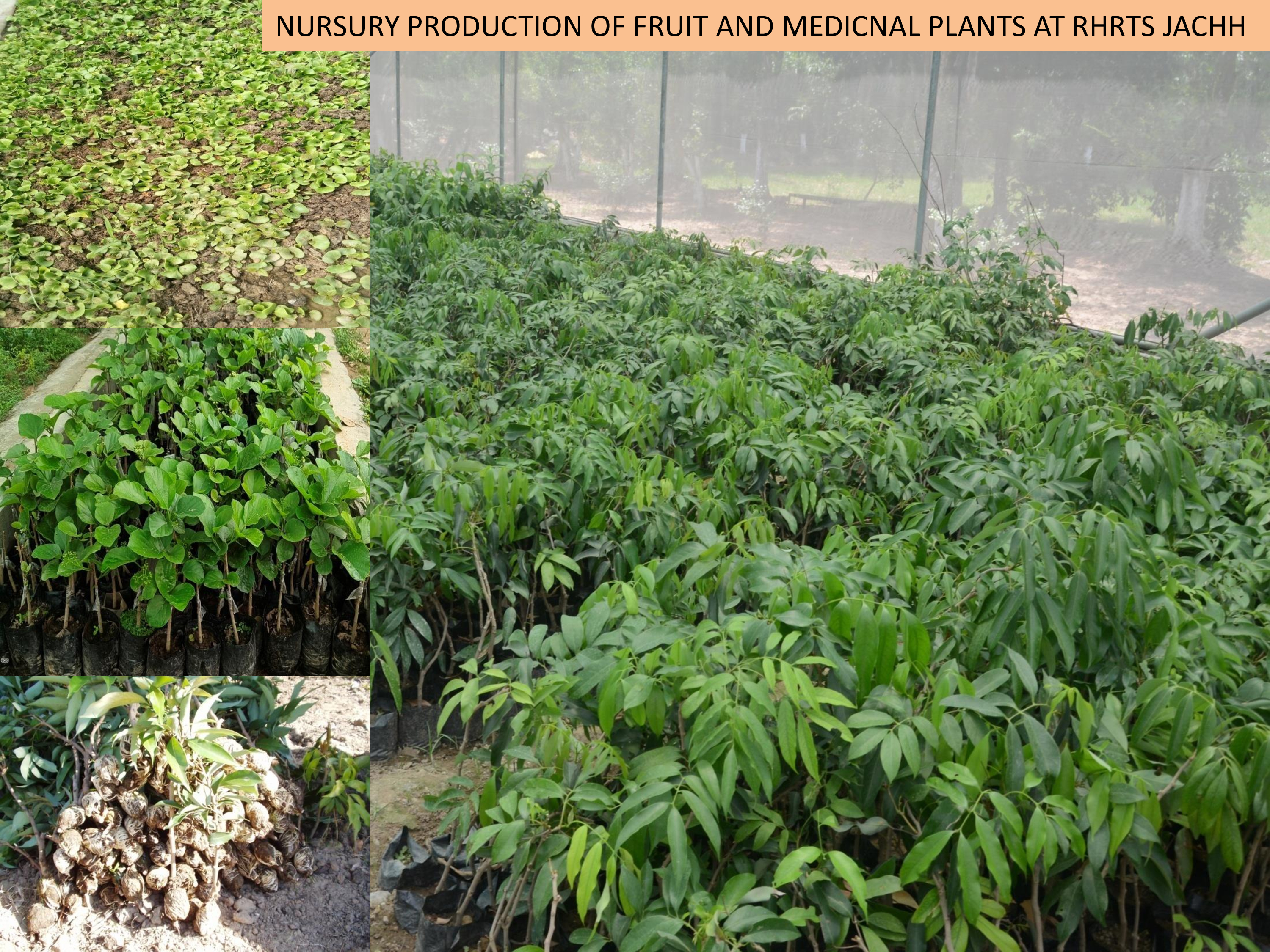
  • Creation of Gene bank/bud wood bank and nursery production of sub tropical fruits, medicinal plants and vegetables.
  • Station has published 30 research papers and 10 books/manual/chapters/articles during the year 2020-2026.
Research activities and technologies developed at Jachh station
Training and extension activities at Jachh station

Extension

Achievements (2022-2026)

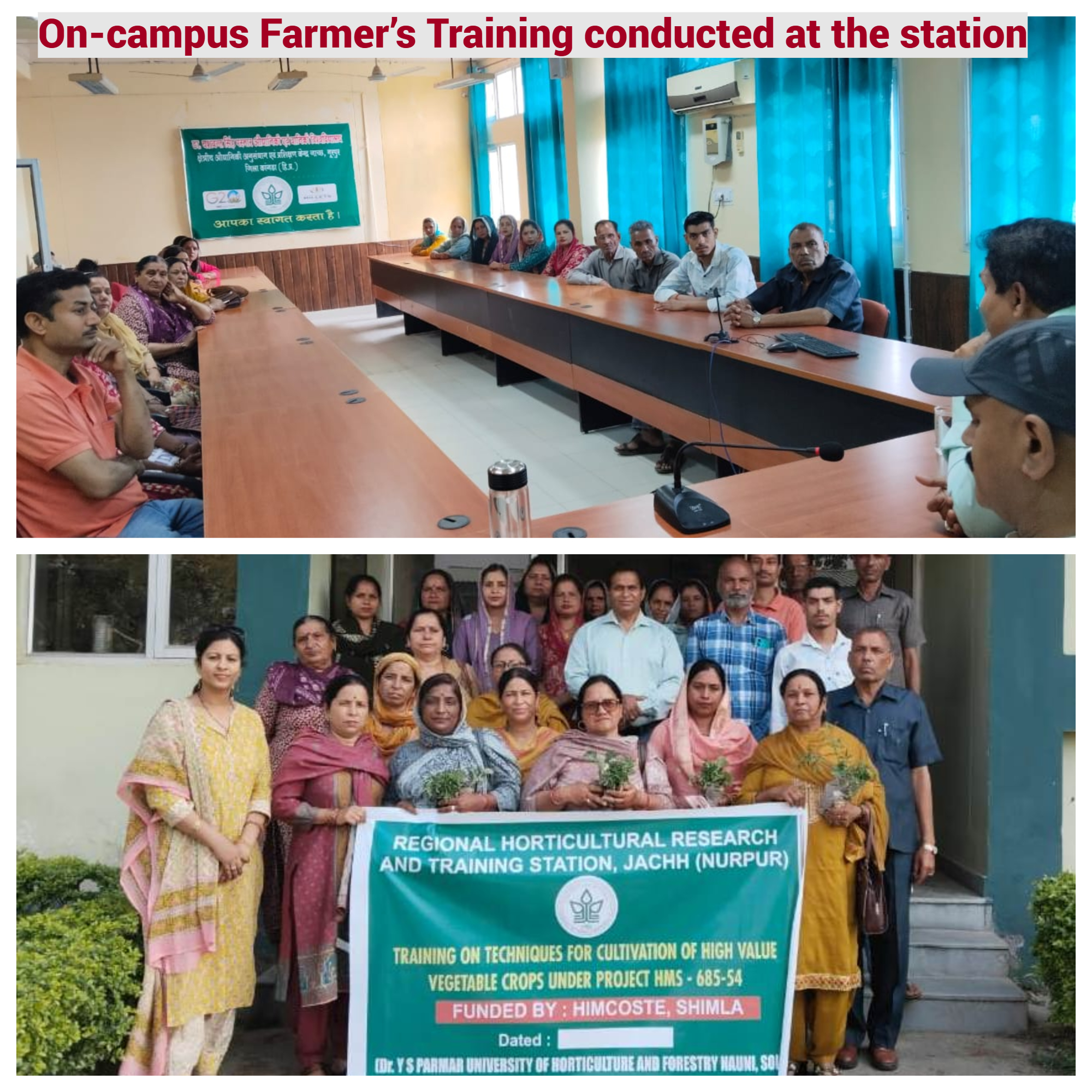
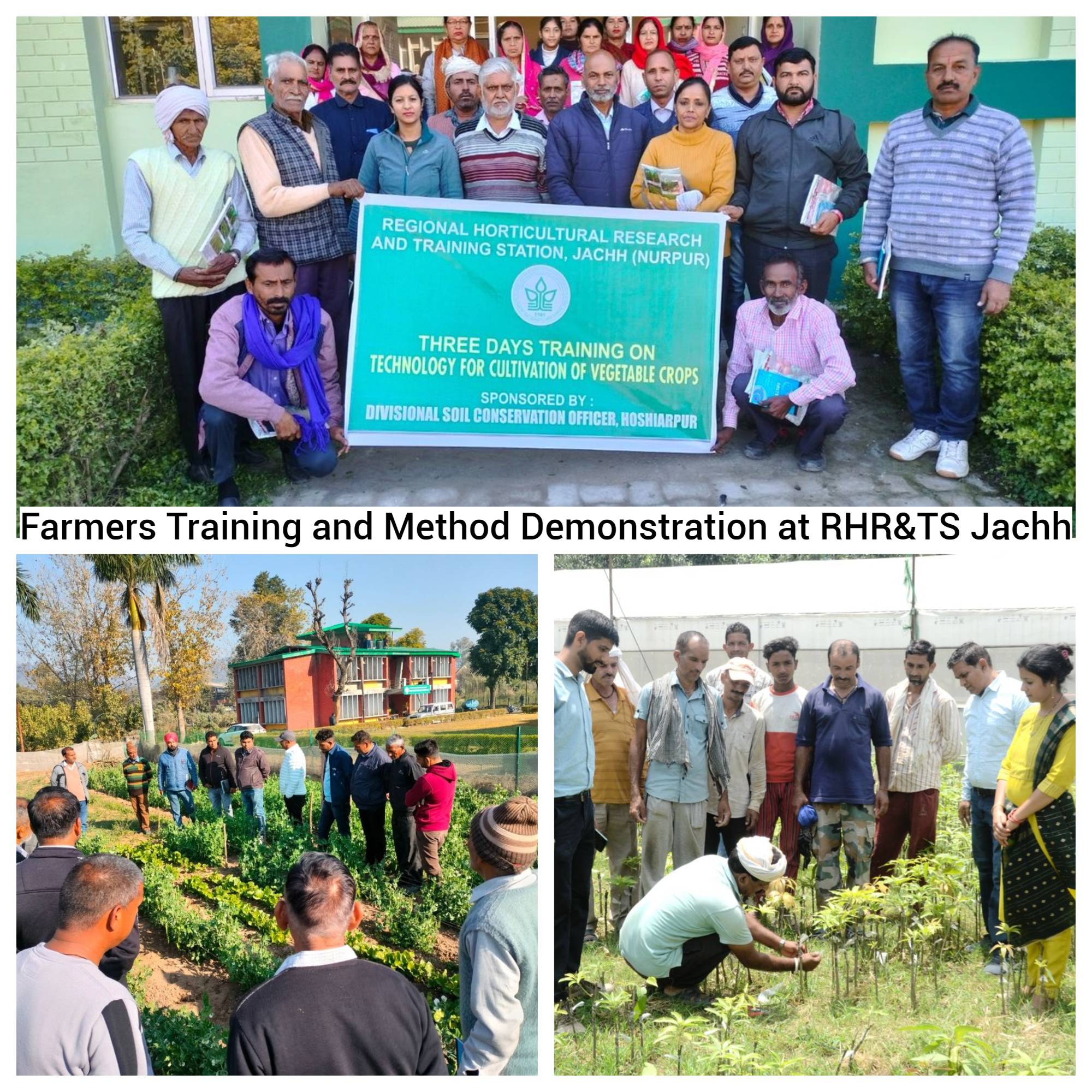
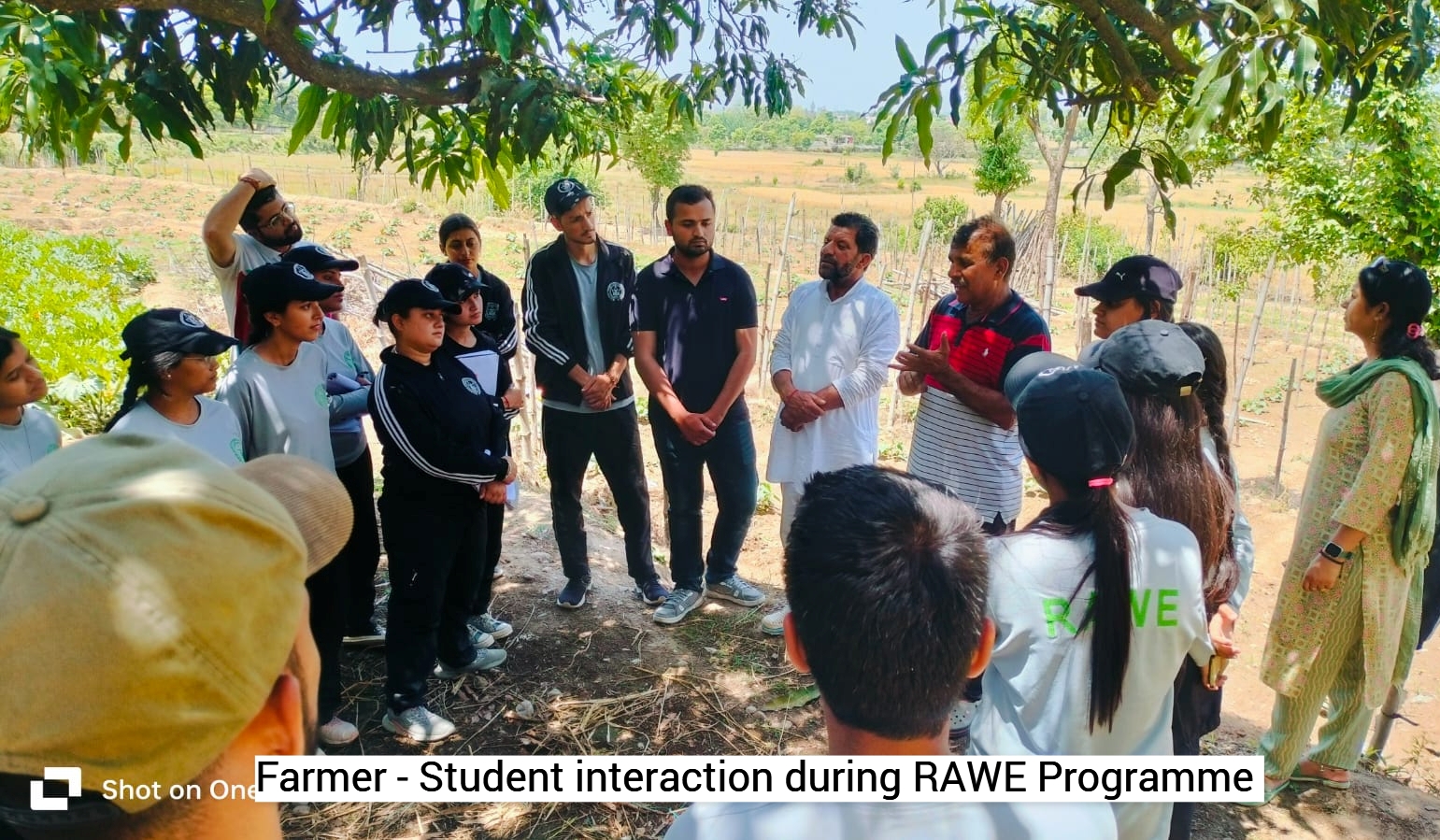
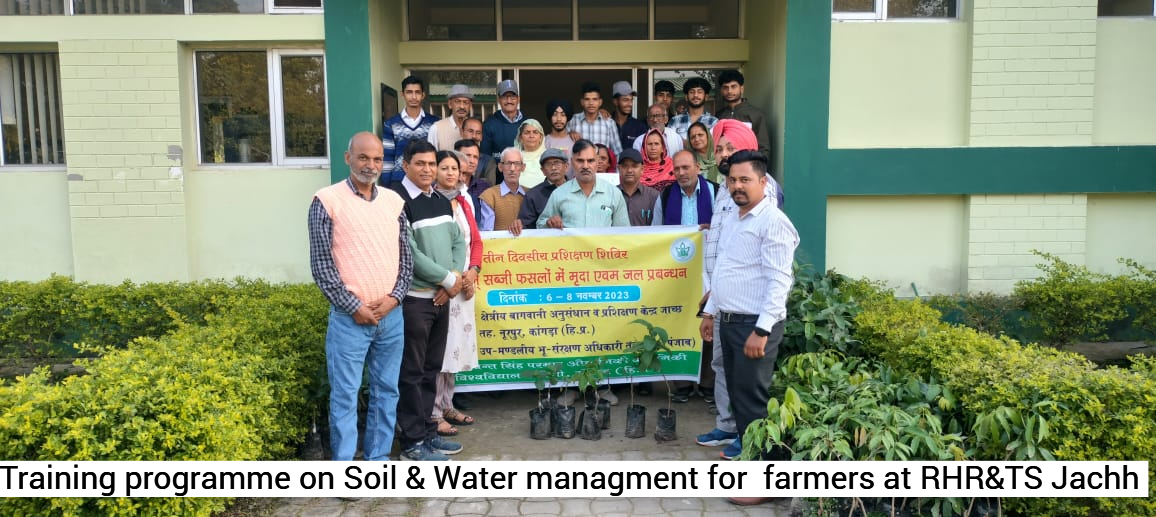
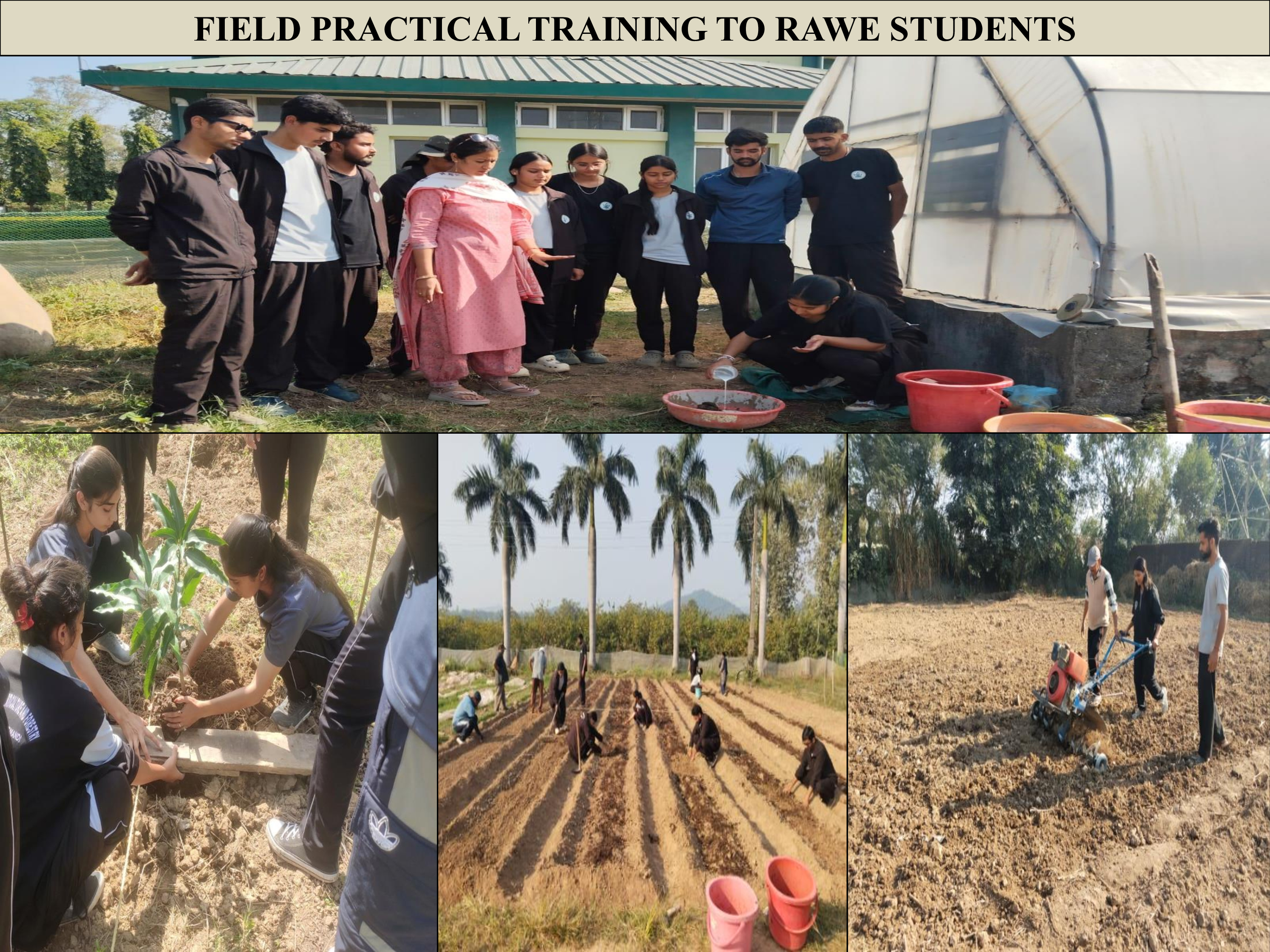
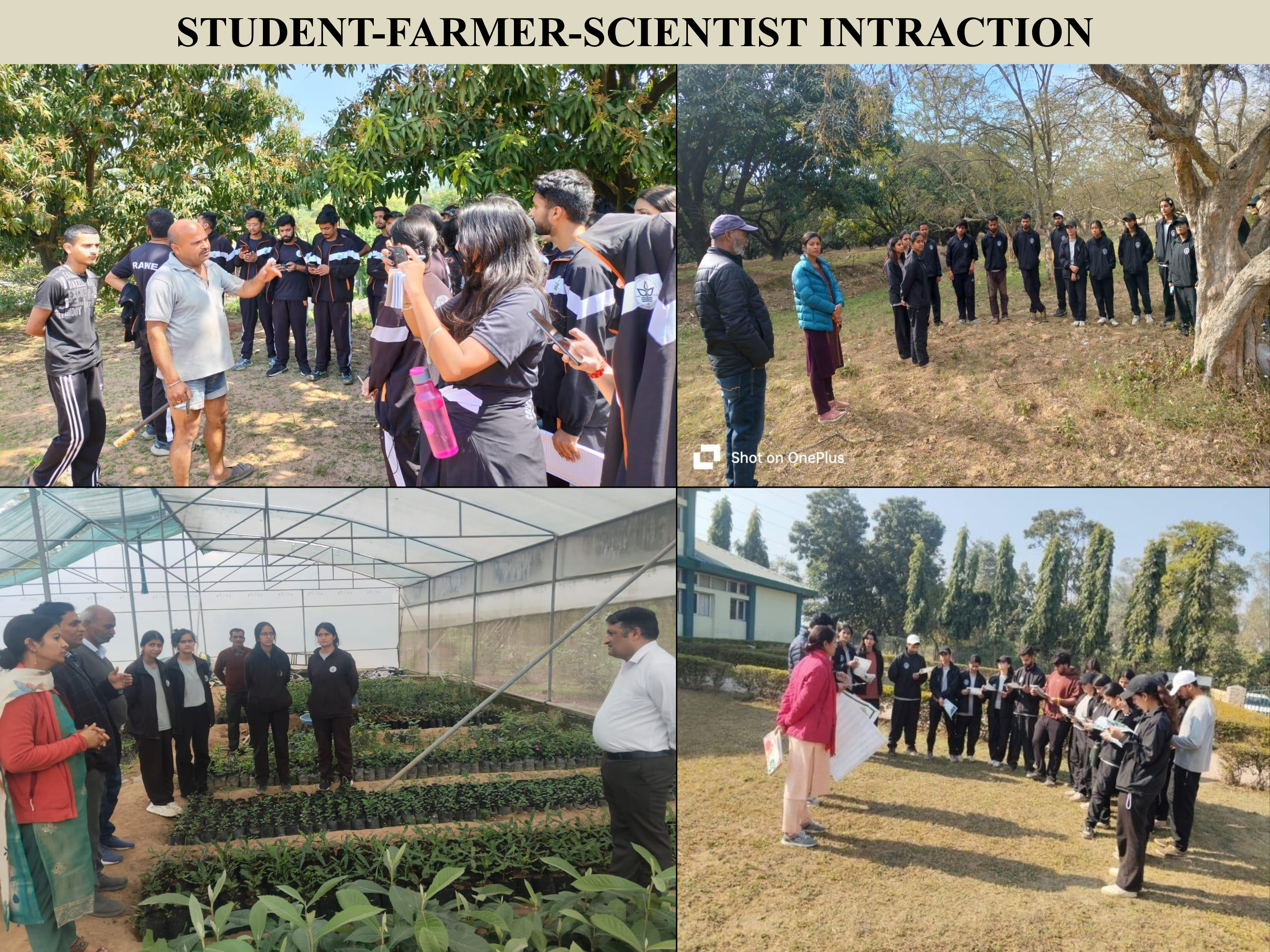
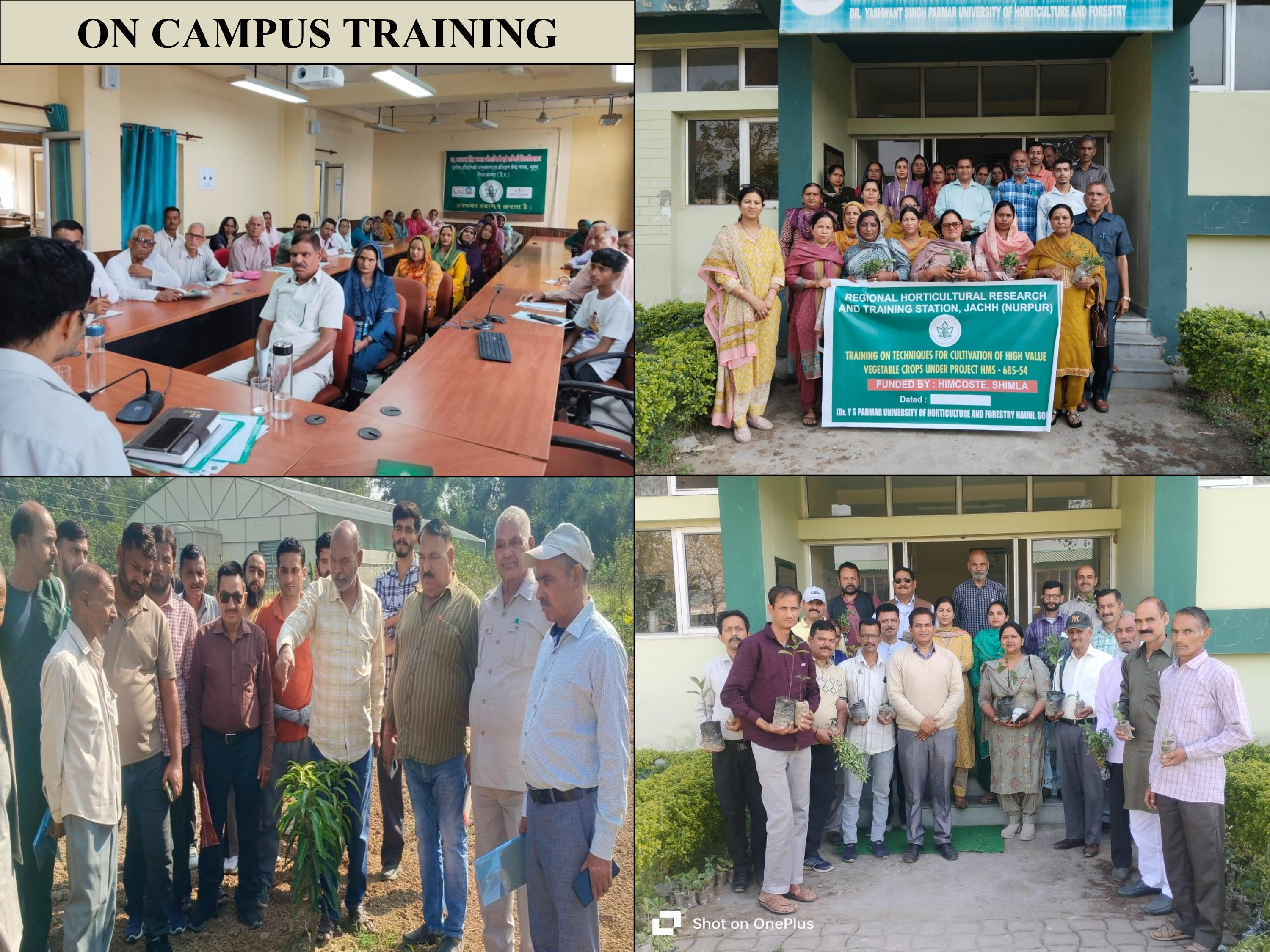
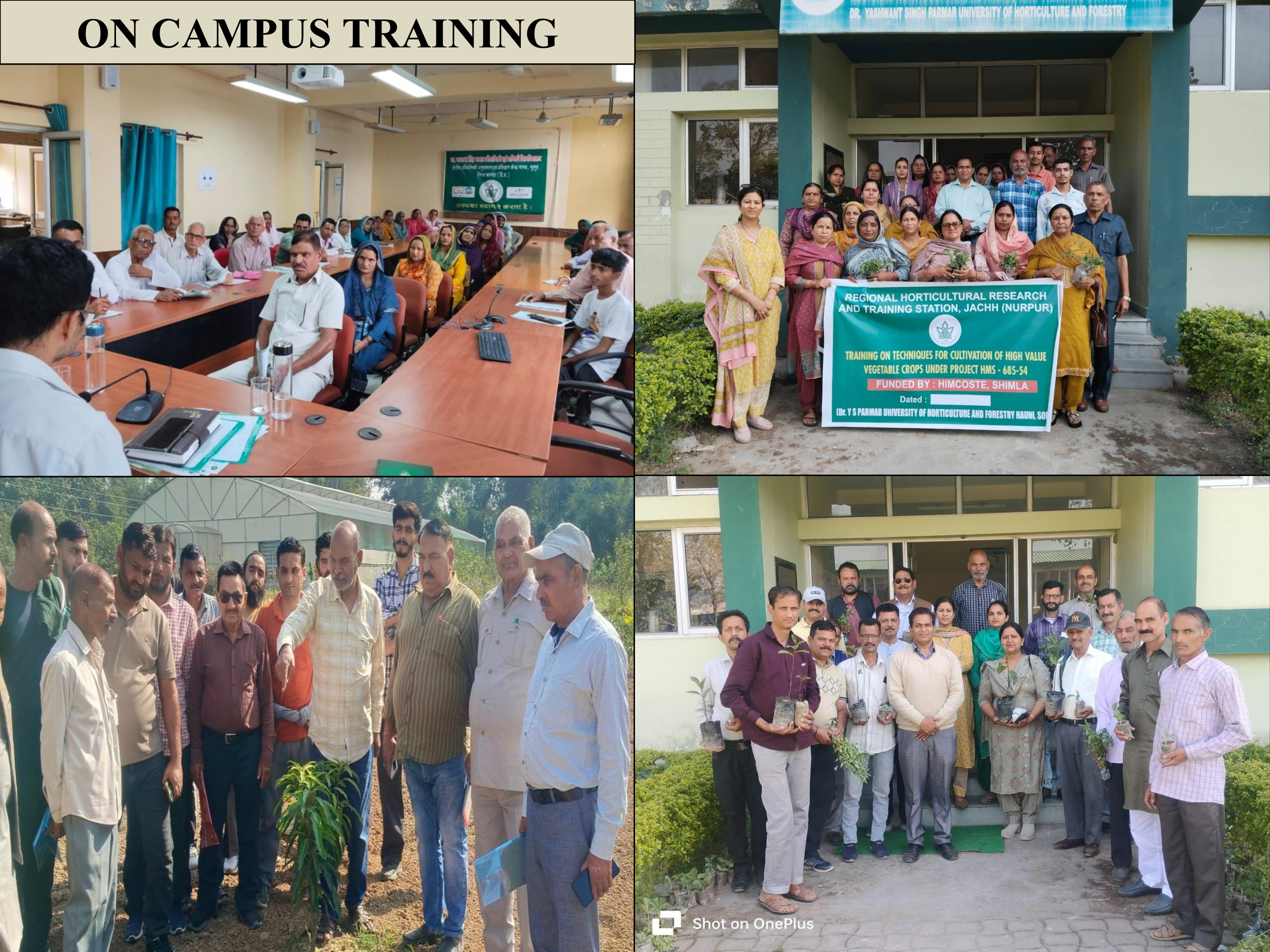
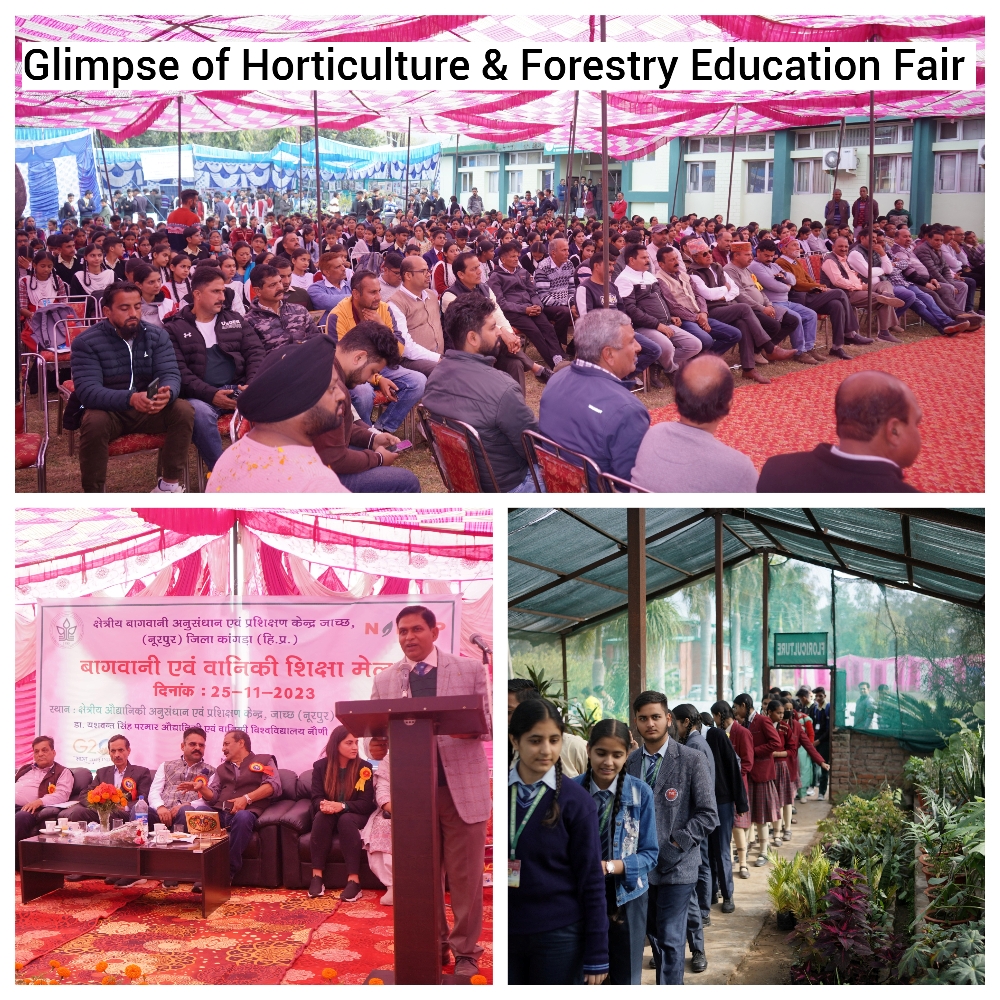
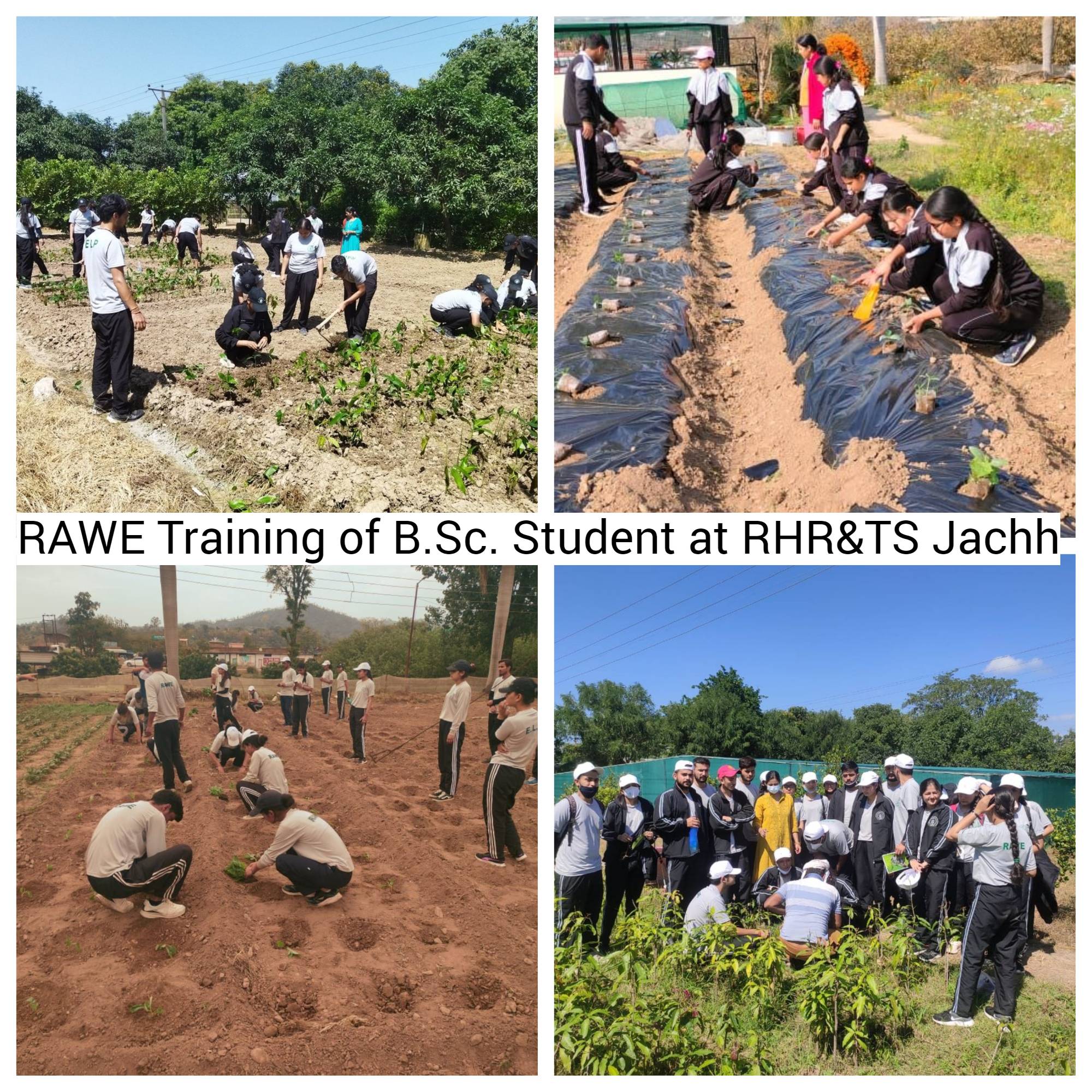
  • Organized 64 on-campus training programms for 1627 farmers of Kangra District and adjoining areas.
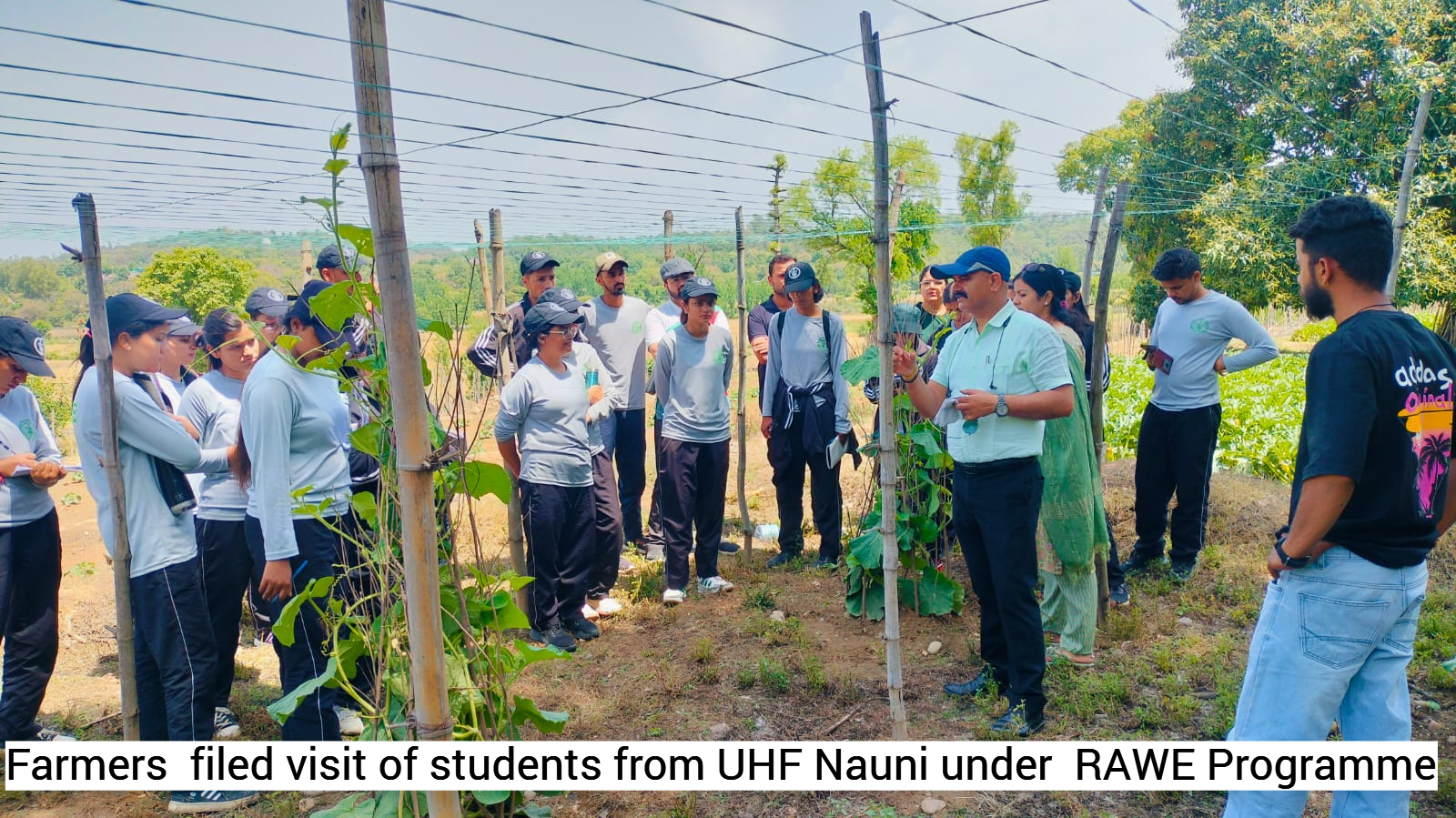
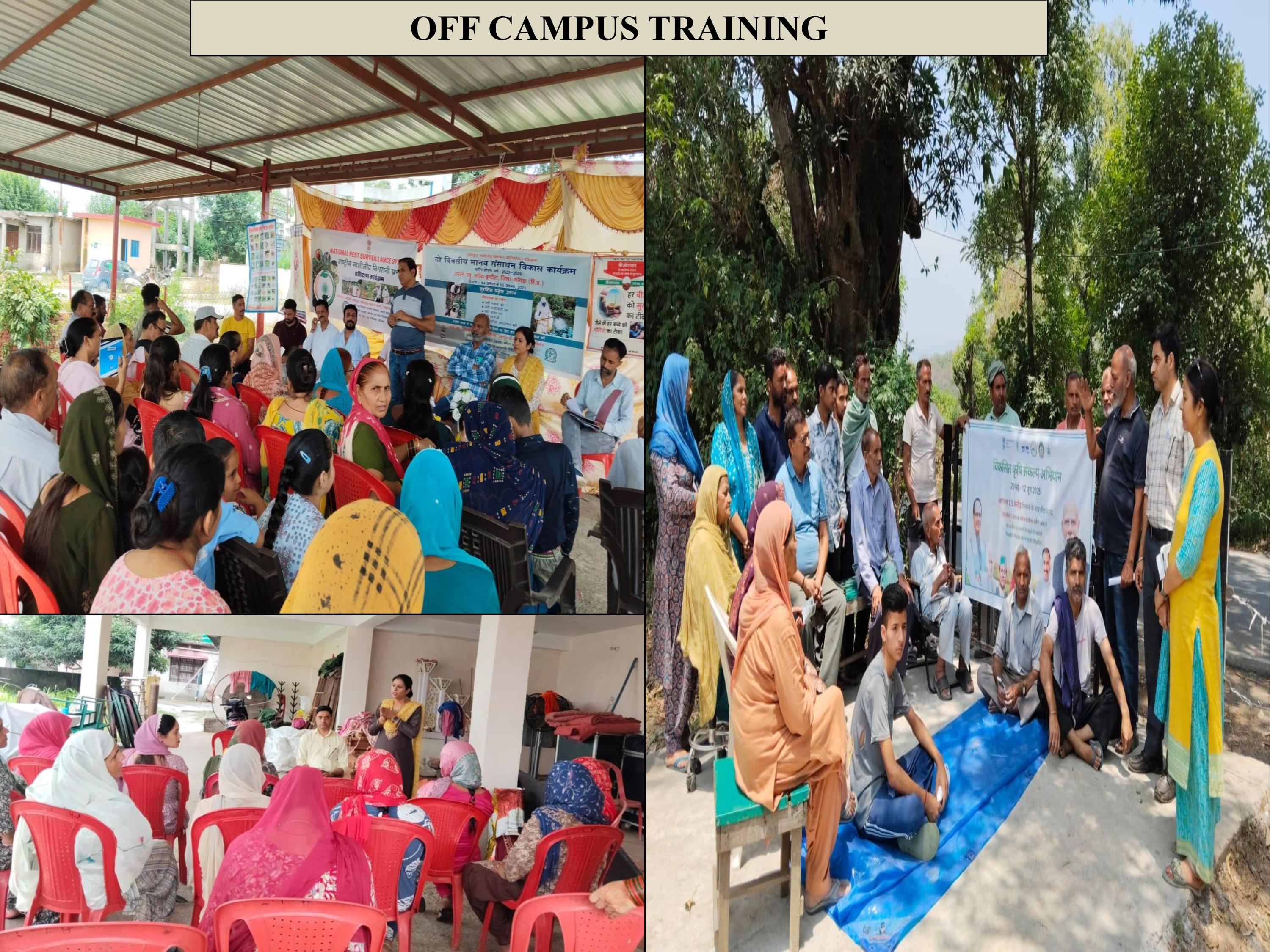
  • Organized 32 off-campus training programms for 1619 farmers of Kangra District and adjoining areas.
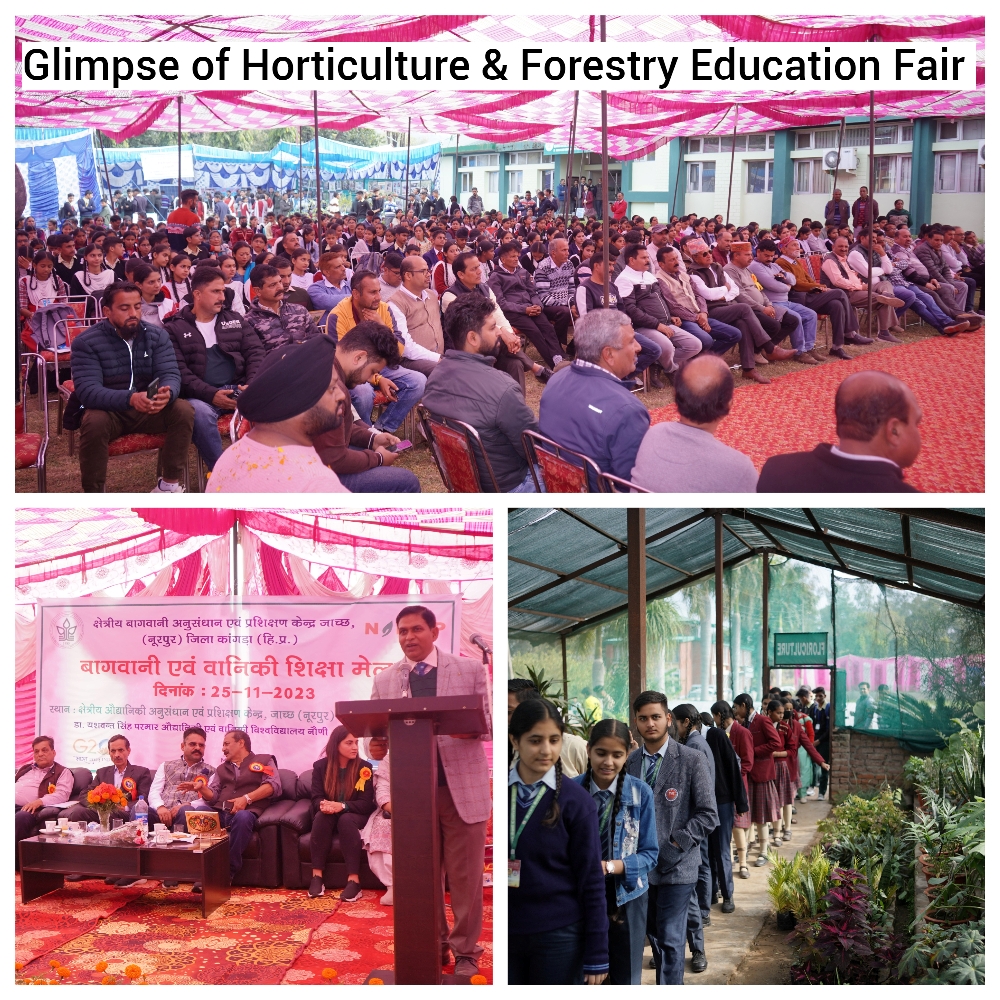
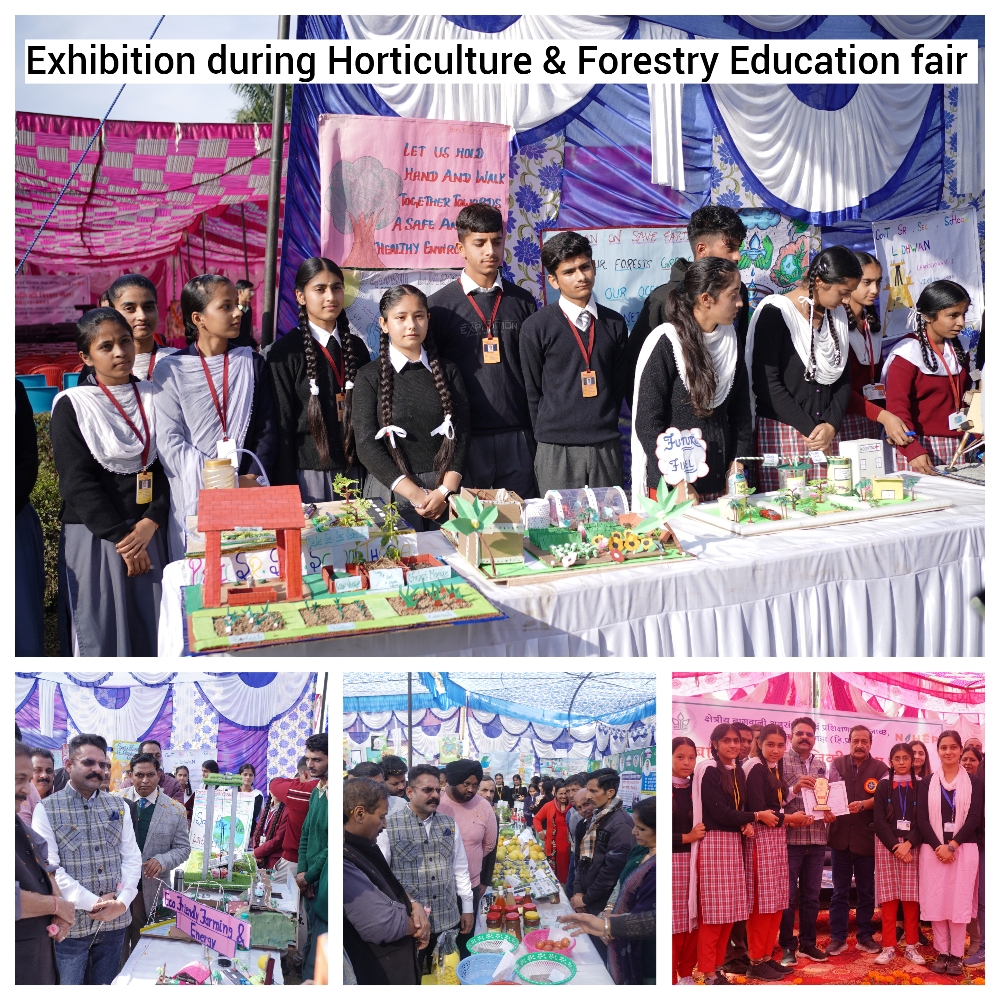
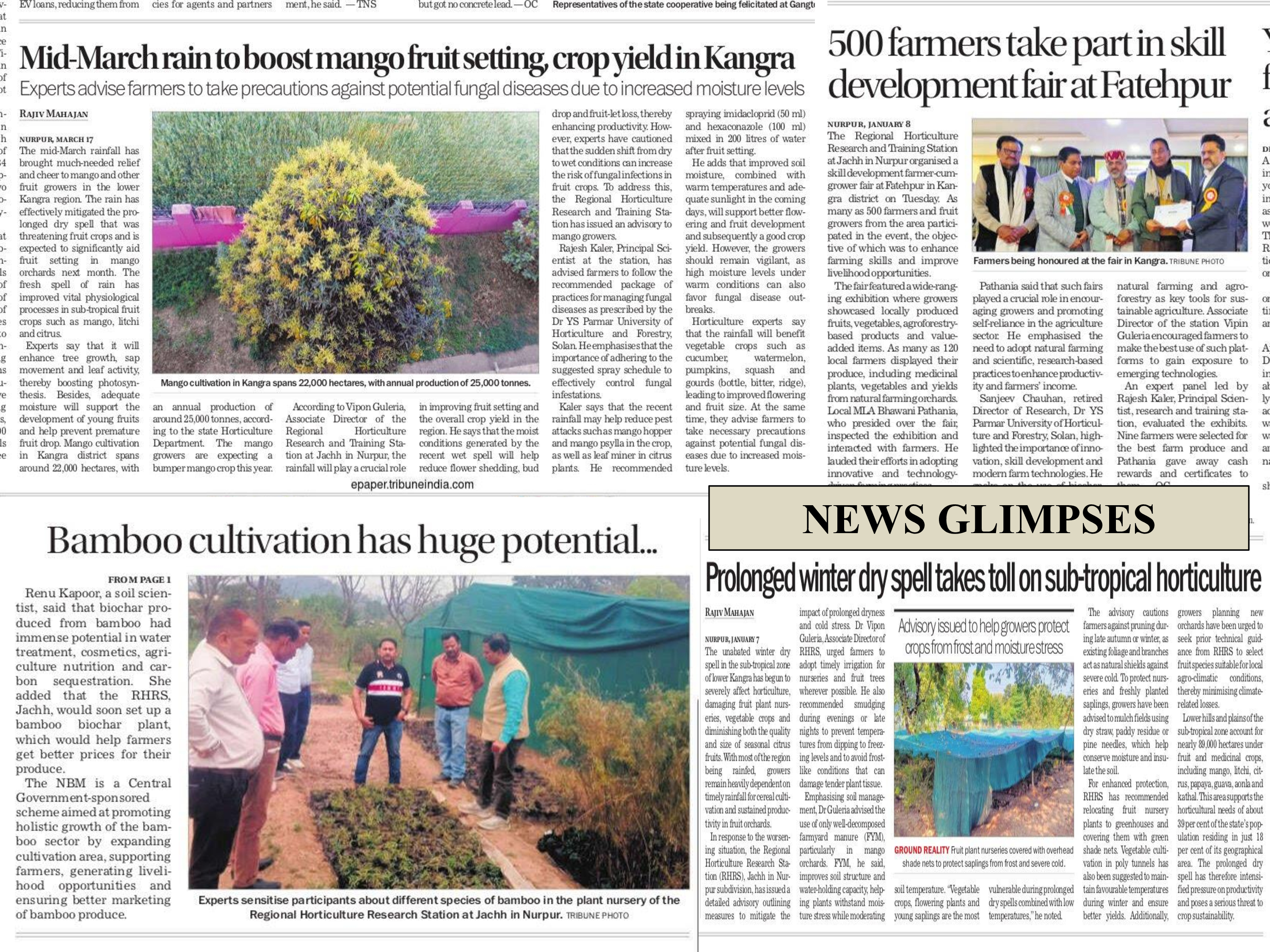
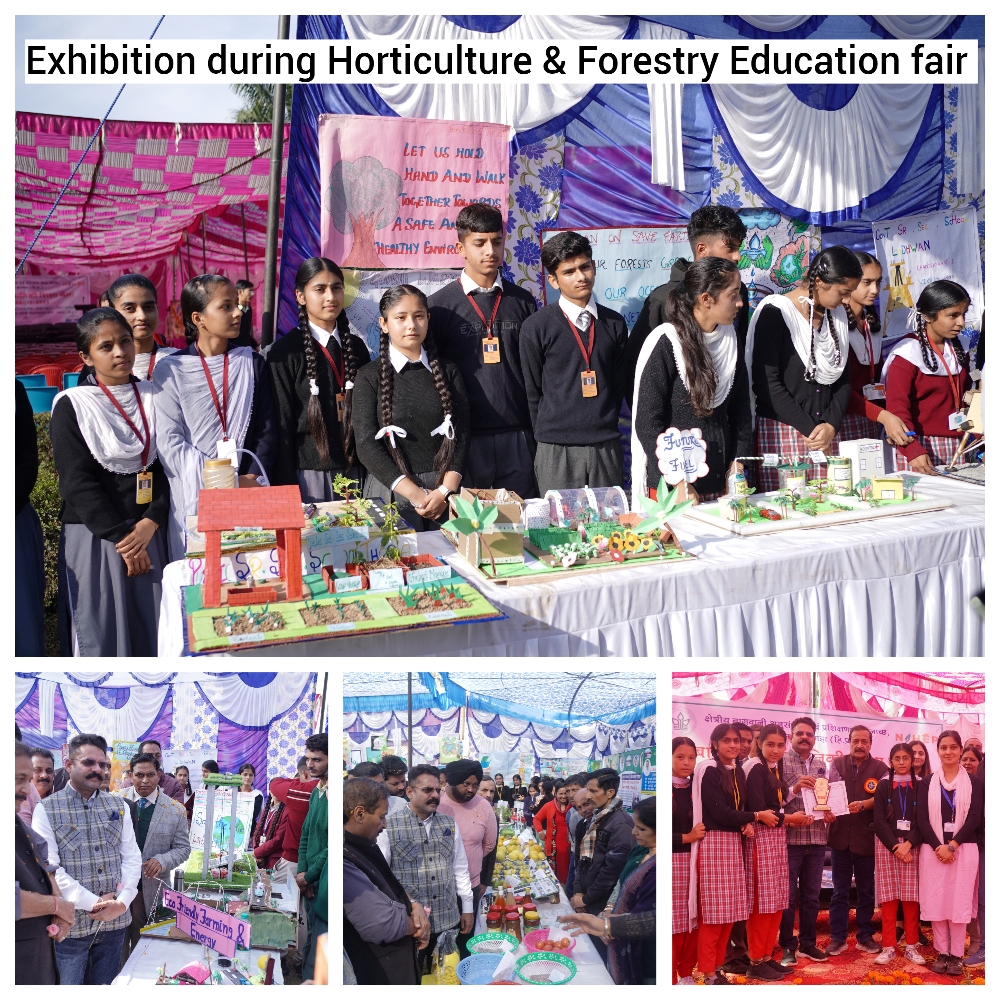
  • Organized 2 Kisan Mela’s in which more than 700 farmers participated and also organized 2 exhibitions.
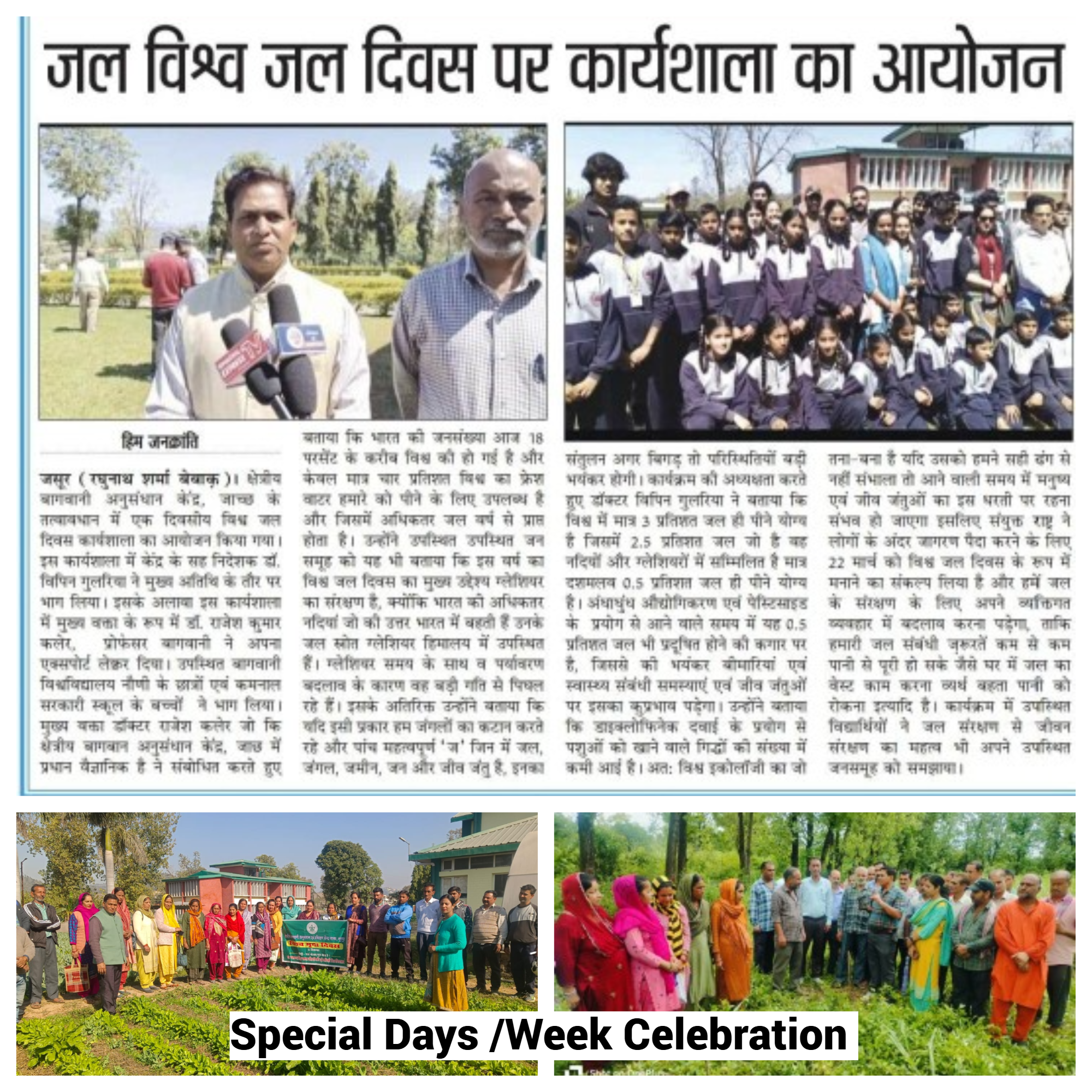
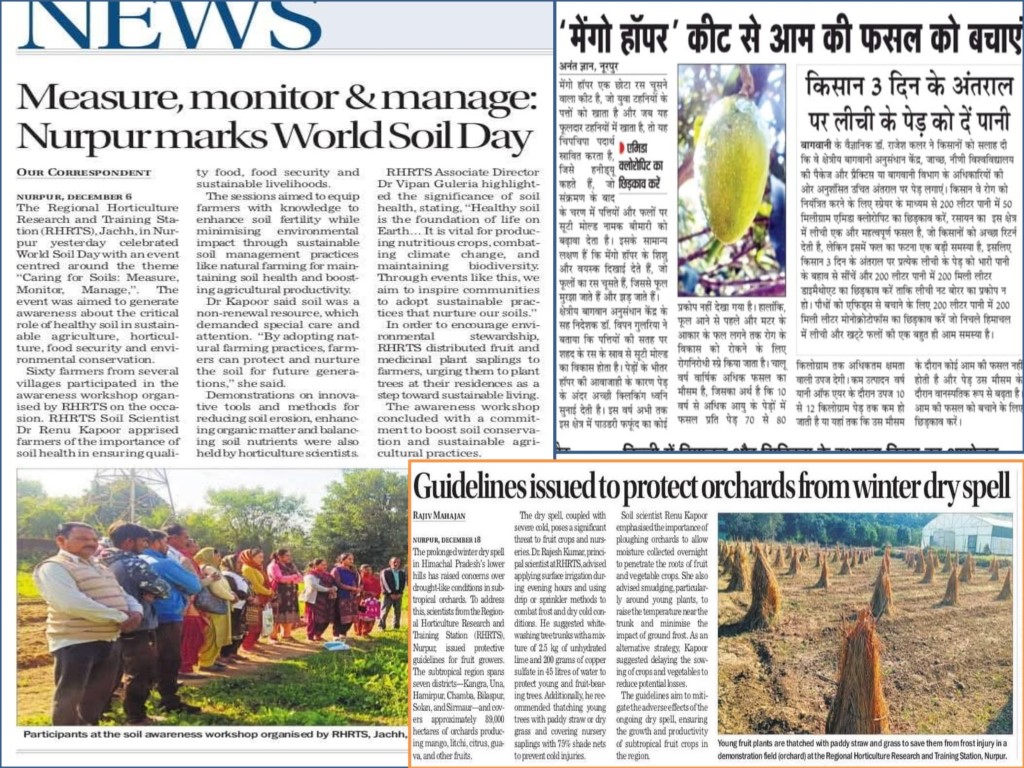
  • The scientists have delivered more than 80 lectures, 5 Radio/Television talks and 6 no. talks on local news channels.
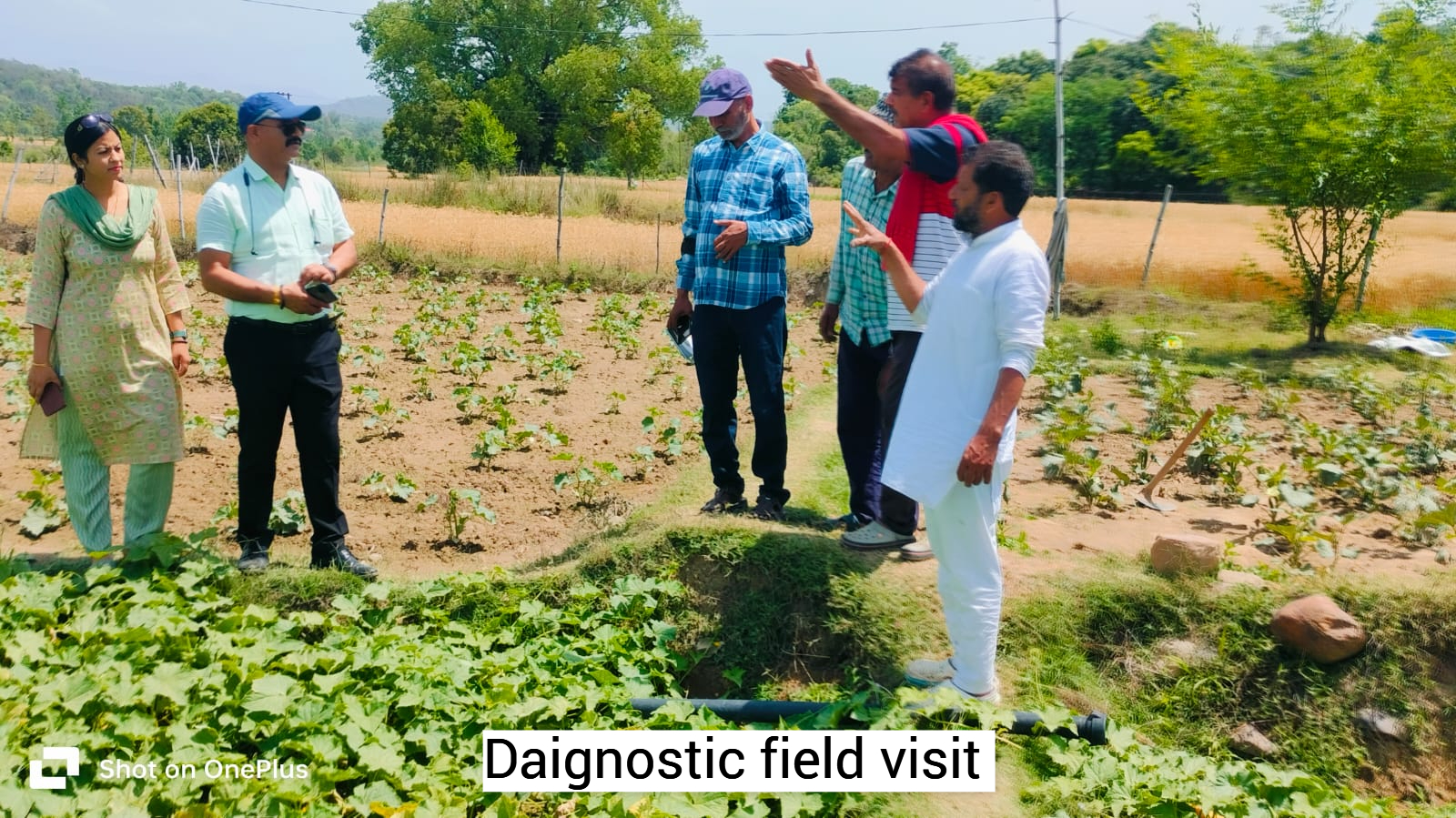
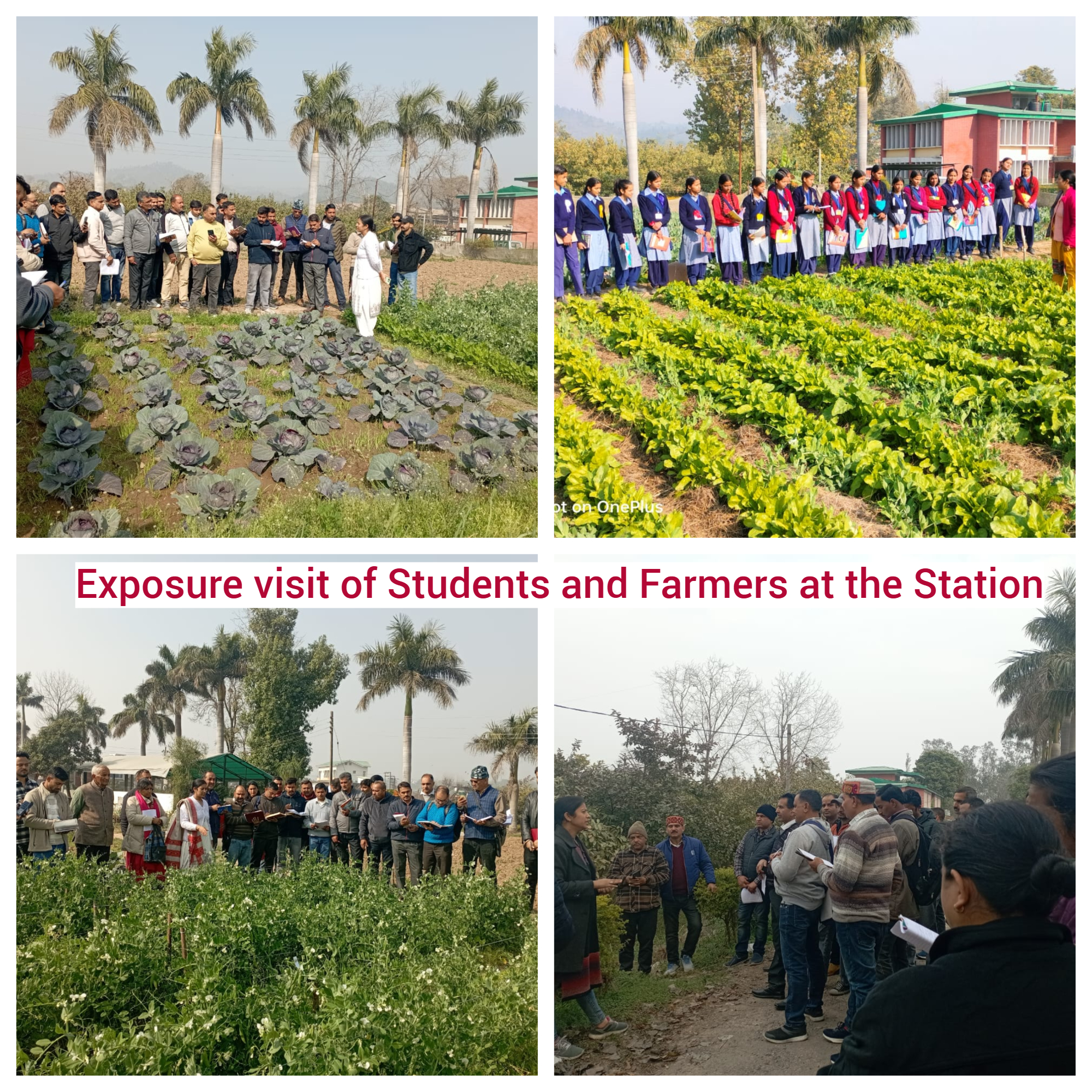
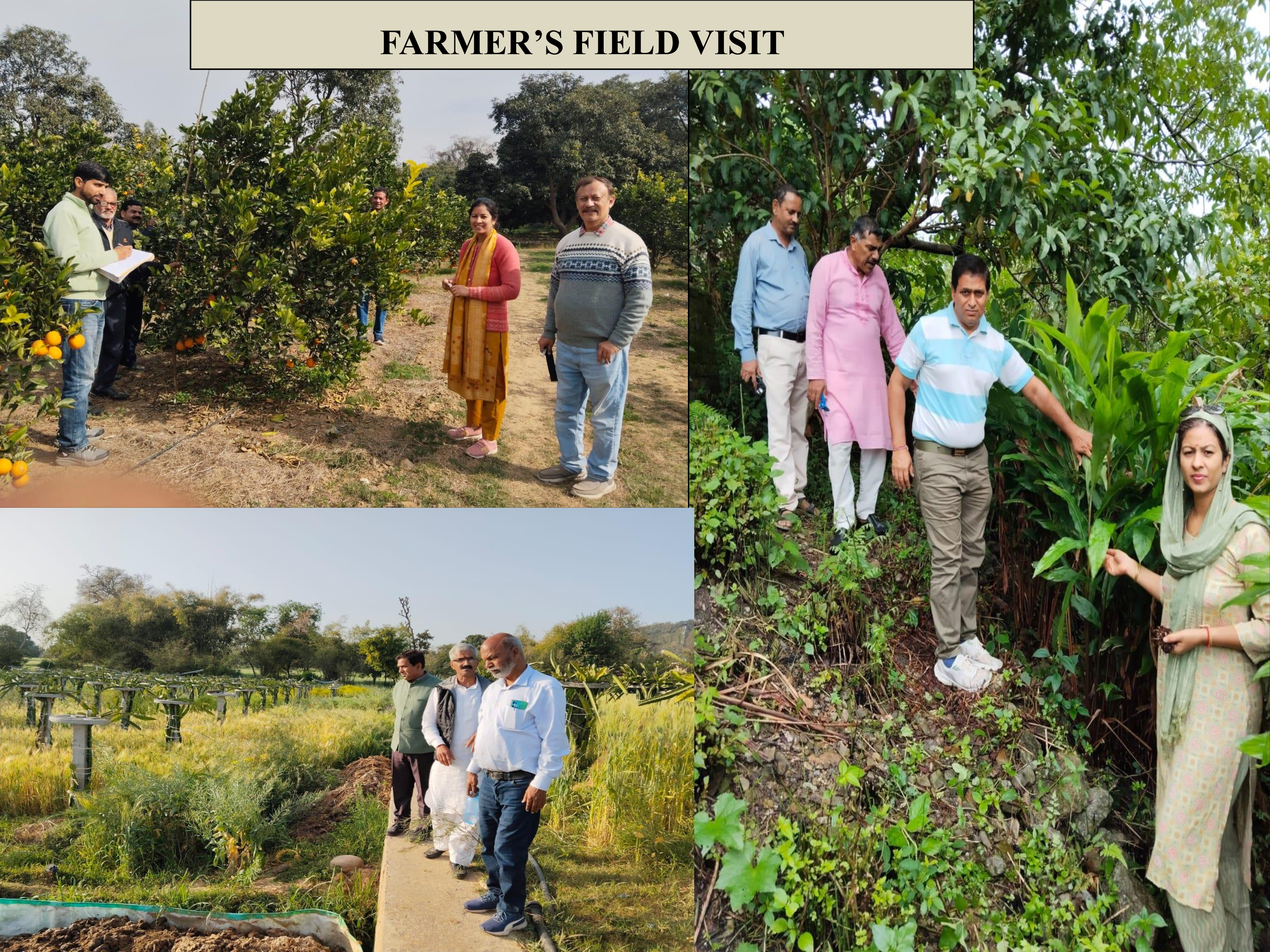
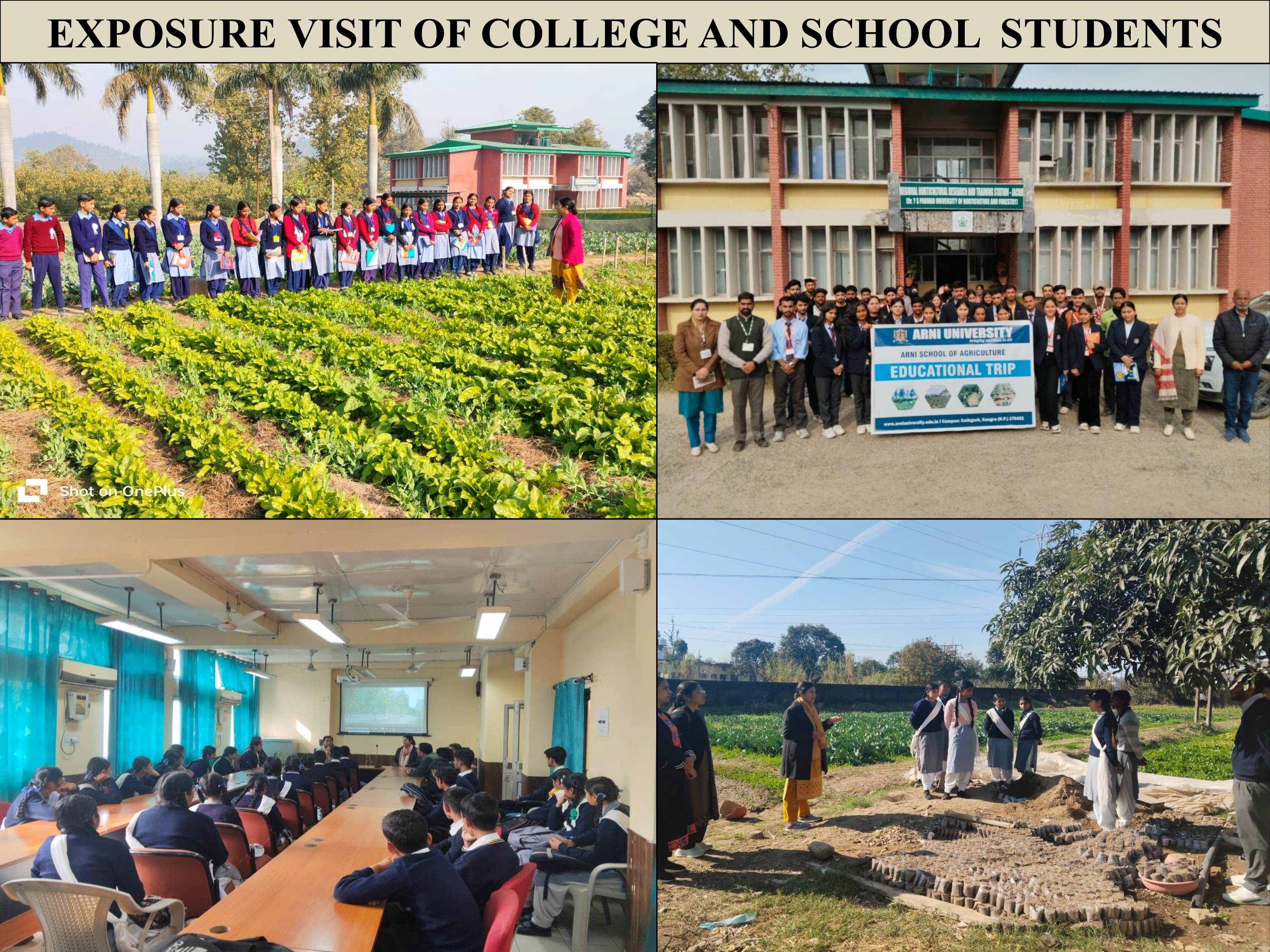
  • Organized 68 exposure visits for farmers/students (2763 beneficiaries) and 35 diagnostic/field visits.
  • Advisories were provided through online/offline mode to more than 500 farmers.

Awards/Recognitions

  • Dr. Vipan Guleria received Life Time Achievement Award-2022 for contribution in the field of lesser known fruit from “Avishlkar foundation” a Sholapur (Maharashtra) based NGO.
  • Best poster award: Ankush Moran and Vipan Guleria. “Impact of tourism on plant biomass and carbon stock in north-west Himalaya” held In national seminar on plant biodiversity for food, nutrition and health security in North-west Himalayas from 27-28 Nov, 2023 at Shoolini University (Solan)H.P. ,India (Organizer ISPBGR,New Delhi)

Facilities

  • Hi-tech horticulture and forest nursery (polyhouses, shade houses, mist chamber vermin-compost unit etc.)
  • Carbon analysis laboratory equipped with TOC analyzer.
  • Tree measurement and volume estimation laboratory.
  • Soil testing laboratory equipped with pH meter, EC meter, Nitrogen Kjeldhal, Flame Photometer, Spectrophotometer, Oven cum incubator etc.
  • Farmer’s Hostel, well equipped training hall and demonstration units for providing trainings to the farmers.

Demonstrations

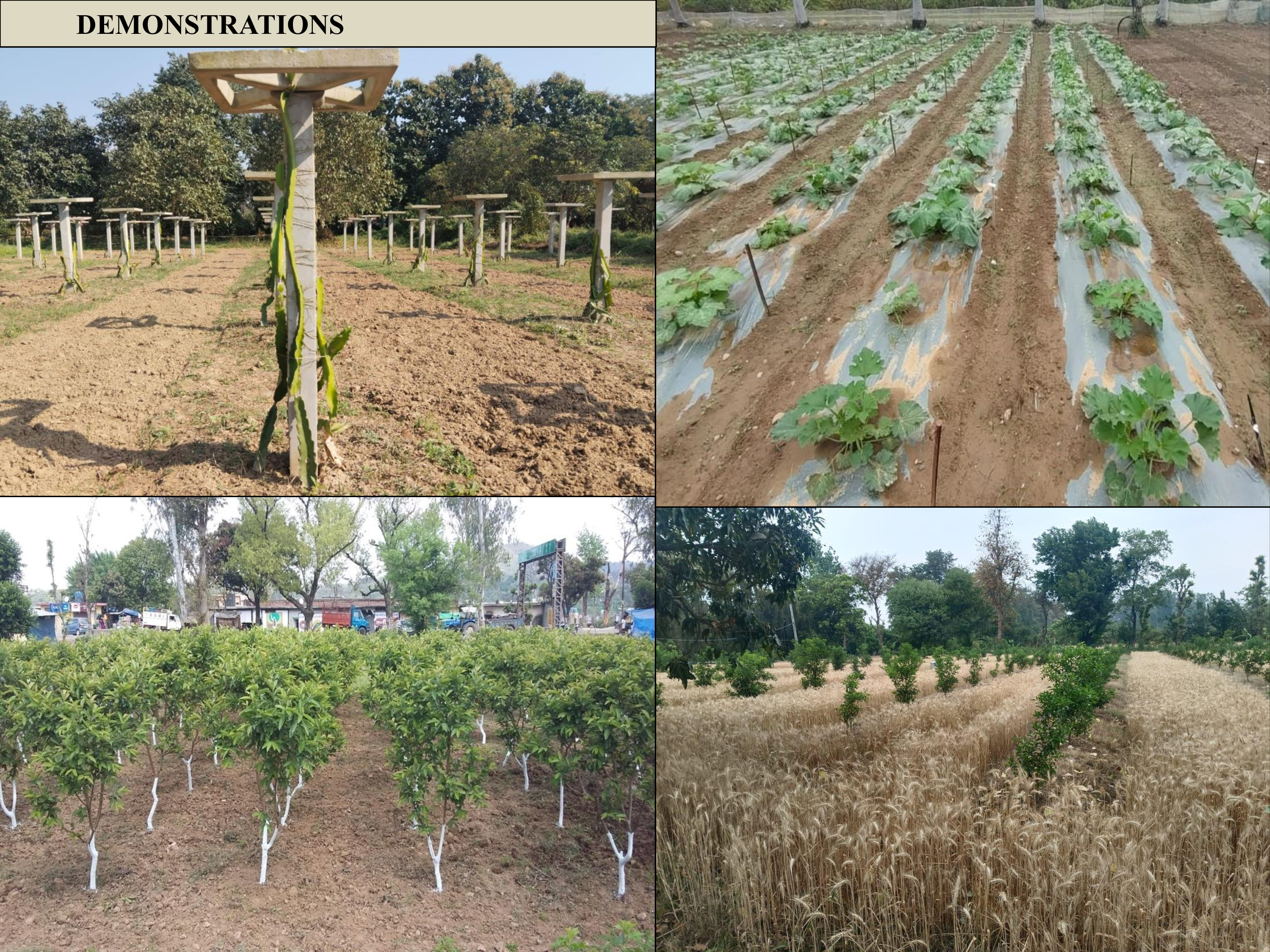
  • Demonstration on high density plantation of Mango, Citrus, Guava, Apple, Harar, Lasuda and Jamun has been established at the farm.
  • Demonstration on newly introduced plants like Dragon fruit, Avocado, Blue Berry, Coffee and Macadamia nut have been established at the farm.
  • Demonstrations on vegetable cultivation under natural farming, integrated nutrient farming and use of different mulching materials.
  • Frontline demonstration, On farm trial and method demonstration at farmer’s field.

Services

  • Supply of genuine true to type disease free quality planting material of fruits, vegetables, forest and medicinal plants to the farmers and stakeholders of the region.
  • Farmer advisory services through online/offline mode.
  • Soil testing services to the farmers and stakeholders of the region.
  • Diagnostic field visits to suggest on the sport solutions.
  • Consultancy services for planning and plantation work.